
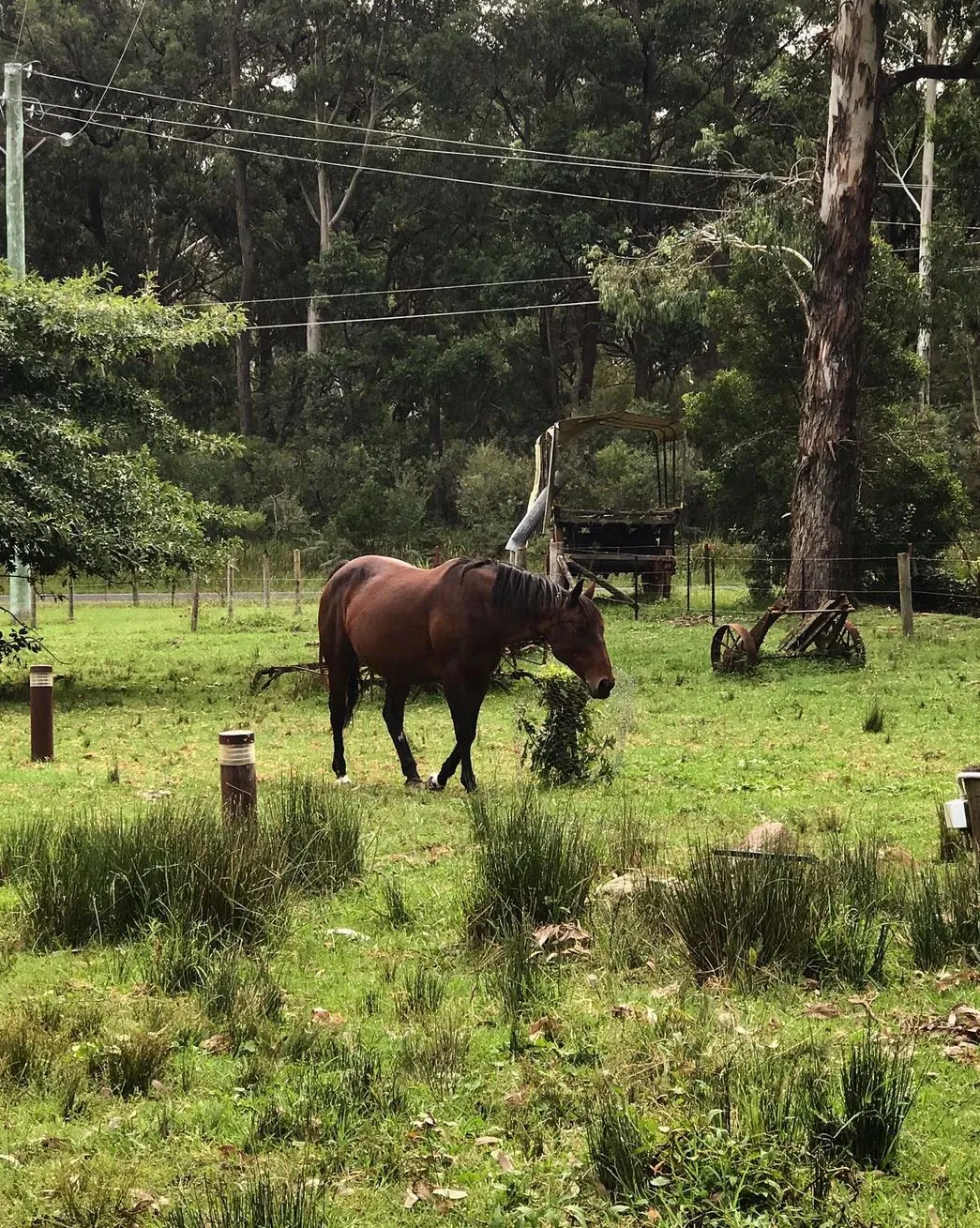
Not every traveller realises just how much more to the question “Where to Go Horse Riding in the Blue Mountains” is .Its like a doorway to one of the most authentic ways to experience this rugged region. I’m Paul Beames, and after years guiding trips all over Australia’s high country, I’ve concluded that there is no better way to take in the spectacular sandstone cliffs, misty gullies and sleepy valleys of the Blue Mountains than from the back of a steady horse. Forget the tour buses—this is where the bush still smells of eucalyptus & your only soundtrack is the jingling of a bridle. There are heaps of options through Blue Mountains tour operators that cater for every level and style of rider.
Saddling Up for the High Country
Before we set off on the ride, it’s worth getting an idea of what kind of terrain you’ll be riding into. The Blue Mountains cover over a million hectares of national park and wilderness area—a UNESCO World Heritage site chock-full of escarpments, waterfalls, and ancient Aboriginal history. Horse riding here isn’t some kind of polished stable experience; it’s real bush country. Tracks range from super easy paddock loops right through to full day rides along ridge trails where you might just spot a few kangaroos, some native birds or hear a lyrebird calling from the scrub.
If you want to get a feel for more of the region than just the trail, Blue Mountains tours often combine guided horse rides with some local sightseeing or bushwalking – which is a great way to get a taste of the regions mix of bush & track terrain.
The climate around here can swing from chilly winter mornings to absolutely sweltering summers. Spring (Sept to Nov) and autumn (March to May) are probably the safest bets though – not too muddy, not too dusty & the scenery is at its absolute best.
Top Spots for Scenic Saddle Adventures
Every part of the mountains has its own character – and local operators who know every fence post and creek crossing like the back of their hand.
1. Megalong Valley – Classic Blue Mountains Scenery
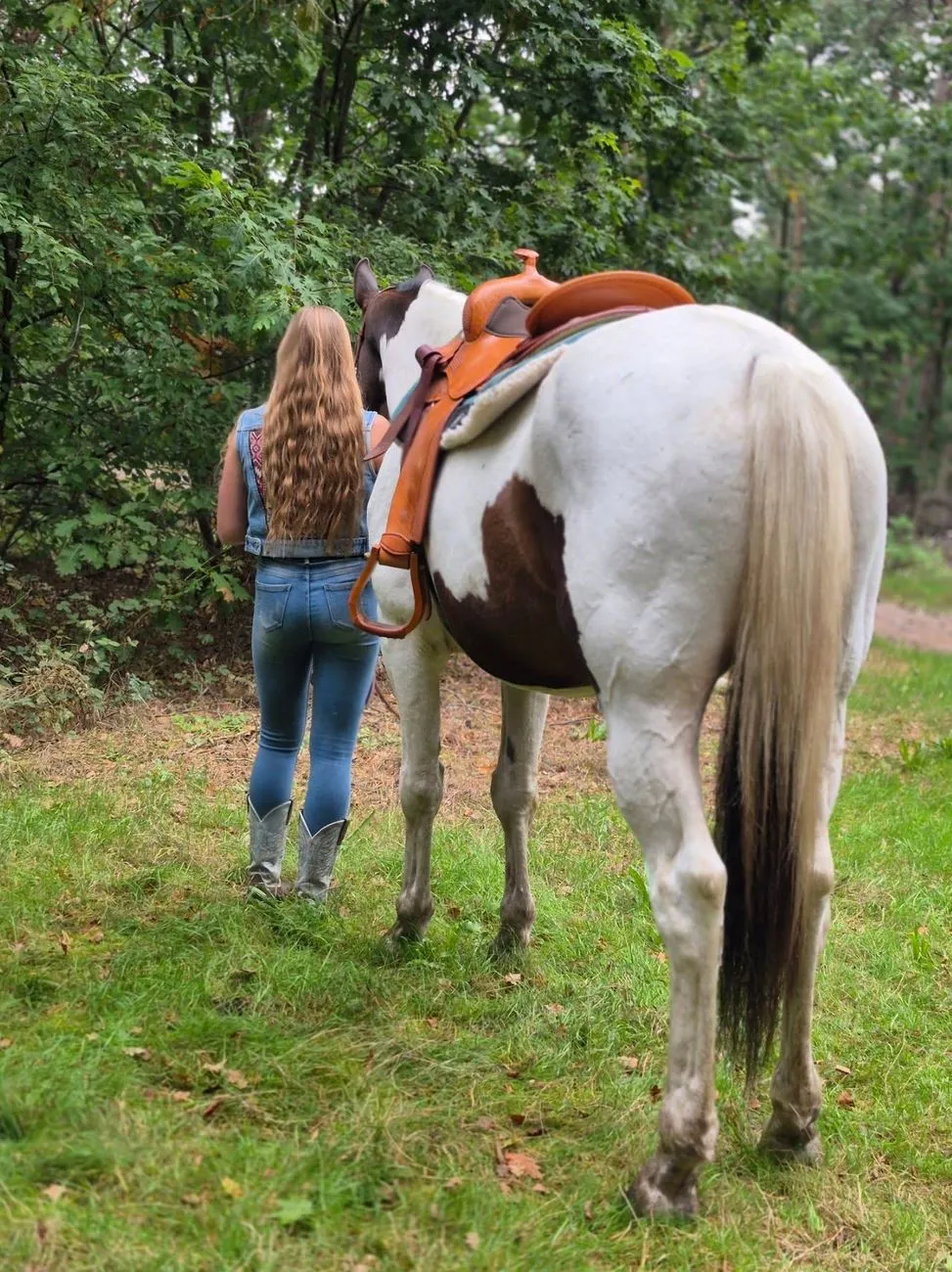
Down at the bottom of Blackheath’s towering cliffs, Megalong Valley is the heart of Blue Mountains riding. Its wide grassy clearings and gum-lined tracks are a doddle for beginners and seasoned riders alike. The trails wind past old farmhouses, pockets of rainforest and stretches of open country that feel like a million miles from anywhere – and yet you’re only two hours from Sydney.
Top operators:
- Megalong Valley Farm – they’ve got one-hour rides, pony rides and private lessons on offer
- Centennial Glen Stables – well-trained horses & local guides that really know their stuff – great for families & people looking for a guided horse ride.
| Ride Type | Duration | Average Cost (AUD) | Experience Level |
|---|---|---|---|
| Short Scenic Ride | 1 hour | $85 – $100 | Beginner |
| Half-Day Bush Trail | 3 hours | $150 – $200 | Beginner – Intermediate |
| Full-Day Valley Trek | 5 – 6 hours | $250 – $300 | Intermediate |
According to Tourism Research Australia (2023), adventure and outdoor experiences like guided trail riding have grown by 27% in regional NSW since 2019 — and Megalong Valley is one of the top five rural hubs for nature-based activities.
Many tours here include a few extras to sweeten the deal – like a gourmet lunch, a cheese platter to munch on or even the option to pitch up under the stars. Alongside those, nearby boutique hotels offer special invitation-only packages for couples looking to pair a mountain trail ride with a wine tasting or a luxury stay – it all sounds pretty idyllic. Some of these packages also give riders the chance to combine their ride with a scenic drive or a few snaps for their camera.
2. Hartley Vale and Mount Victoria: Heritage and Wide Open Spaces
Heading west, the old coaching trails near Hartley Vale still hold a lot of old-world charm – the kind of place where the colonial era left its mark. You’ll find yourself riding through paddocks bounded by dry stone walls and past old inns that used to be Cobb & Co watering holes. The trails here are a bit steeper than others you might ride, but the views from the top over Hartley Valley and Mount Victoria escarpment are just spectacular.
Local riders swear by Blue Mountains Trail Rides – a small family-run outfit that keeps their horses well looked after and will help tailor a trip to suit your needs. Expect to ride across creeks, blaze some mountain trails, and with a bit of luck, you might even spot a few wallabies or wedge-tailed eagles.
Tip – Be prepared for changeable weather – the mountains can go from sunshine to storm in a pretty short space of time. Packing a lightweight rain jacket is a good idea, especially if you’re not used to this kind of weather.
To shake things up a bit, you can try your hand at driving a sulky – a horse-drawn carriage rather than a horse riding – with some of the local equestrian centres. It’s a fun way to see the bush at a slower pace. Blue Mountains Tours sometimes throws these in for small groups.
3. Oberon Plateau: Cooler Air and Trails to Remember
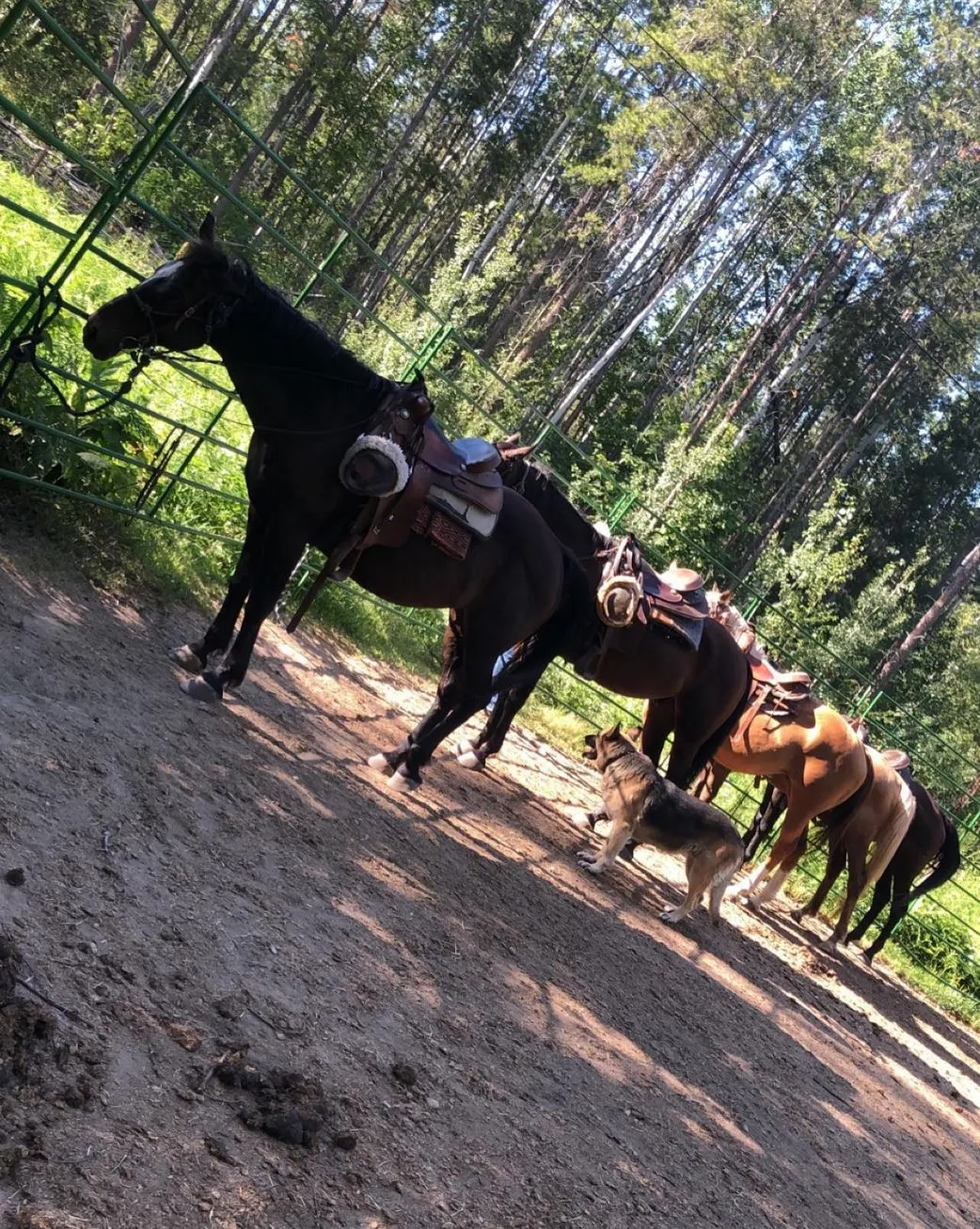
Further south, near Oberon, the country rises up into the high country, with open grazing terrain and cooler air even in the height of summer. The trails here cut through pine forests and across frosty paddocks. High Country Trail Rides is a good outfit to try – they’ll set you up with an overnight campout and all the trimmings, including billy tea and a yarn around the fire – exactly the kind of night you remember for years to come.
I actually joined one of their weekend rides a few years back, and by the time the sun dipped below the horizon, the light had this lovely quality to it – the mist hit it like a spotlight. Everyone was grinning like a kid who’d just stumbled on the best treasure ever, the horses were caked in mud, and we were all pretty chilled to the bone… but that’s just the kind of experience this part of the mountains has to offer.
Lots of people also come to this part of the mountains with Blue Mountains Tour groups who run combination packages that include horse riding, a spot of trout fishing and a visit to the local farms. And if you’re looking for something a bit different, some farms around here let you combine a morning in the saddle with a few hours on a quad bike – a great way to mix up your ride with a bit of a different kind of horsepower.
4. Glenworth Valley – A Taster of the Blue Mountains
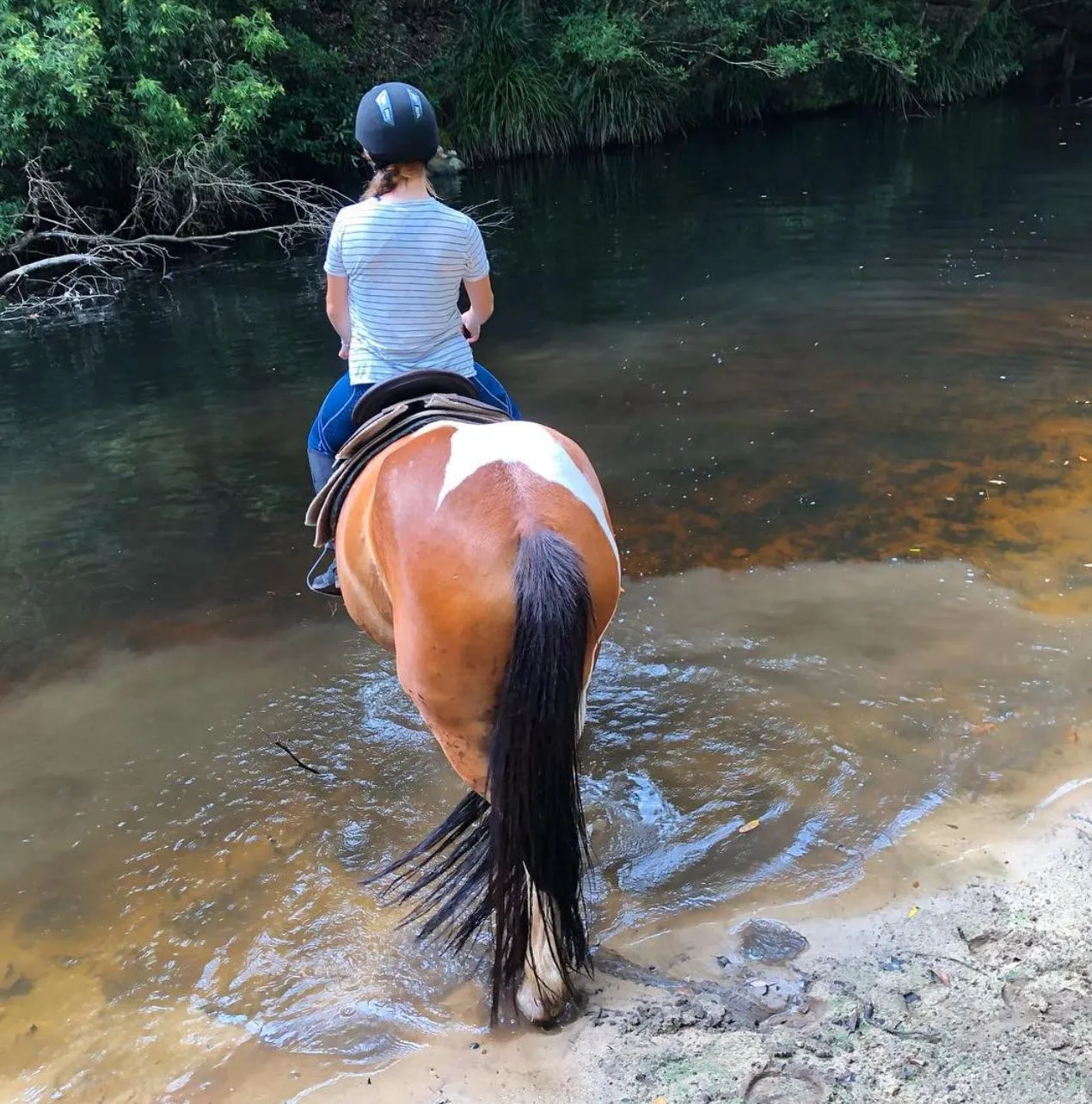
Just east of the Blue Mountains, as technically as you can get, Glenworth Valley Outdoor Adventures is well worth a mention. It’s one of the southern hemisphere’s largest equestrian centres, with – and this is not even counting the outlying areas – over 200 horses. Horses that are just waiting to take you on a trek through the rainforest gullies and creek flats that make up this place. You can explore on your own if you’re a confident rider, using maps and radios to navigate at your own pace – which, admittedly, isn’t often an option around here.
Why visit this place: Great for a day trip if you want to get a feel for horse riding in the Blue Mountains before tackling the bigger & tougher mountains.
As well as self-guided rides, Glenworth Valley also offers cattle muster events and powered camping facilities for those who want to get a little more hands-on. It’s a real bush adventure, just a bit over an hour from Sydney. For a bit of fun, Blue Mountains Tours sometimes throw this in as part of longer multi-day itineraries.
Planning Your Ride
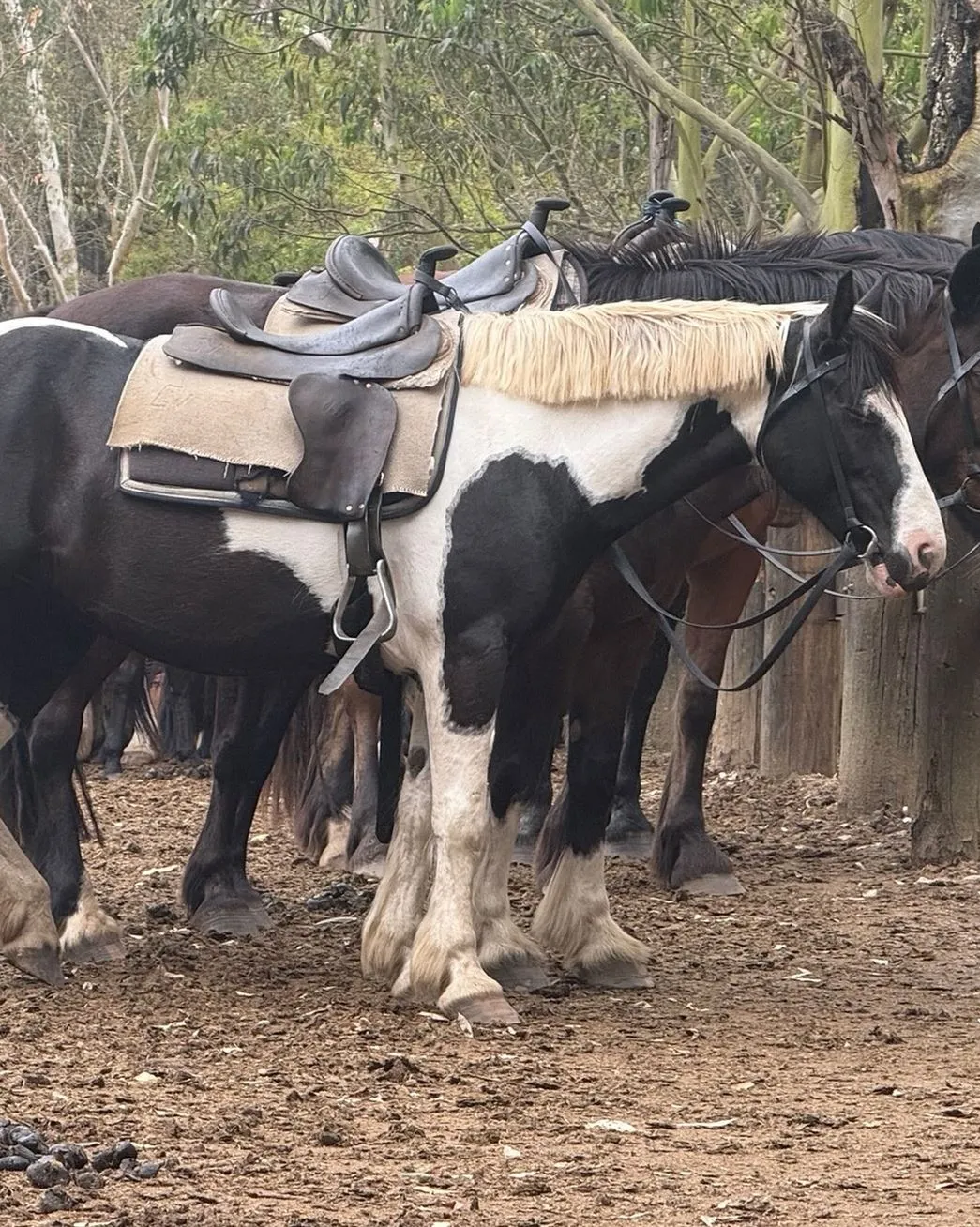
Riding in the Blue Mountains isn’t just about picking a trail – it’s about being prepared for whatever the elements and wildlife might throw your way, not to mention following a few simple bush rules.
Stuff you’ll need to bring:
- closed shoes or boots with a bit of a heel (no thongs, ever!)
- some decent pants (jeans or those stretchy riding leggings are fine)
- a few lightweight layers and a rain jacket (it can get pretty wet in the mountains)
- a refillable water bottle
- sunscreen and some decent insect repellent (trust me, the mozzies here are no joke)
- a helmet (most operators will provide these, but it’s always good to know you’re covered)
Most tours will sort out helmets and do basic instruction too, so don’t worry if you’re a total newbie – the local guides are great with beginners and they’ll match you up with a horse that’s got more patience than your average GPS. Many operators even offer pickup transfers and optional lessons for first-timers.
Weather and fire alerts:
Make sure to check current alerts at nationalparks.nsw.gov.au if you’re planning a ride. The NSW National Parks and Wildlife Service can close off tracks when the fire danger is high or when it’s raining.
Respecting the Land & the Community
The Blue Mountains have been home to the Dharug and Gundungurra people, and many of the region’s trails overlap with ancient songlines and story sites that are still super important to the local Indigenous community. When you’re out on a ride, it’s our job to be respectful – that means sticking to the marked trails, avoiding creekbeds and restricted areas, and following the guides’ advice if certain sections of trail are off-limits.
If you’ve got an operator that includes some Indigenous commentary on the ride, do listen in! It’s a great way to gain a deeper appreciation for the land you’re exploring, and some Blue Mountains Tours even offer Indigenous-guided experiences that connect riders to local history and culture.
The Seasonal Stuff You Need to Know
The conditions around here change a lot over the course of the year, so it’s worth doing a bit of research before you set off.
| Season | Average Temp (°C) | What to Expect | Best For |
|---|---|---|---|
| Summer (Dec–Feb) | 22–30 °C | Hot, risk of bushfires | Early-morning rides |
| Autumn (Mar–May) | 15–22 °C | Stable weather, crisp air | Long-distance treks |
| Winter (Jun–Aug) | 5–15 °C | Frosts, occasional snow at Oberon | Campfire overnighters |
| Spring (Sep–Nov) | 12–24 °C | Wildflowers, green valleys | Scenic photo rides |
Always check in with operators before booking—they schedule based on the weather and fire risk. New South Wales Rural Fire Service stats show that over 70% of regional places get shut down between December & February, so if you can plan a trip in the off-season, you’ll avoid a lot of hassle.
Tips for First Timers
Even if you’ve never been on a horse before, you can still have a good time if you’re sensible about it.
- start off small. A one-hour guided ride gets you up to speed without giving you saddle sores
- relax a bit. Keep some give in your knees – riders who tense up tend to bounce about like a pogo stick
- trust the horse. They know the track a heck of a lot better than you do
- ask questions. Guides are there to help you out, not sit in judgement
- bring some cash. Some rural places don’t have eftpos or phone reception
And don’t even get me started on the suncream – that high country can be a lot harsher than you might think. If you want to make the most of your time in the Blue Mountains, check out Blue Mountains Tours’ packages for some multi-day riding trips.
Paul’s Local Pick: A Weekend in the Saddle
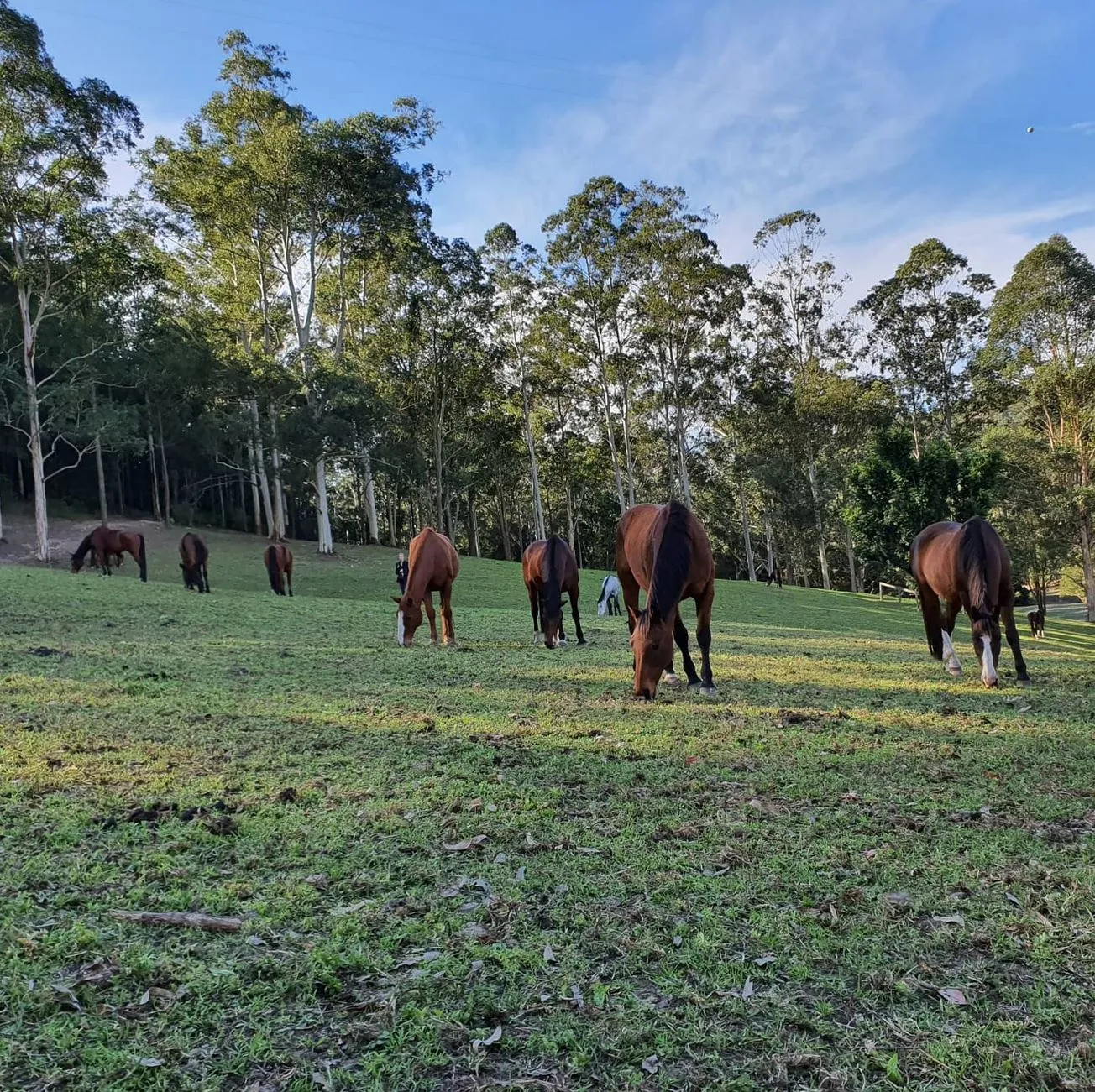
If you’ve got a couple of days spare, here’s how I’d do it:
Day 1:
Drive up from Sydney early & stop off at Blackheath Bakery for a meat pie, then join a half-day ride with Centennial Glen Stables. After that, take a walk around Govetts Leap lookout & spend the arvo checking out some of the local bushwalking tracks. Overnight in one of the local boutiques or a nice farmstay
Day 2:
Head on down to Oberon for a full day on the trails with High Country Trail Rides. Finish off the day with dinner at The Royal Hotel in Oberon – the pub grub is good, the beer is cold, and the stories are even better. For people who prefer not to bother with all the logistics, you can book with Blue Mountains Tour companies – they’ll sort out the transfers & the food for you.
Final Thoughts From Paul Beames
Riding through the Blue Mountains isn’t about speed — it’s about slowing down enough to feel the land breathe. You’ll notice the way light changes across the valleys, smell the damp earth after rain, and maybe even nod at a passing wallaby. It’s real travel — a bit rough, occasionally dusty and all the better for it.
Want a taste of this wild country without the crowds? Saddle up and see it the old way.
Got a favourite riding trail west of Katoomba? Let me know — I’m always adding new field notes to the Get Lost Travel maps and updating my Blue Mountains Tours experiences.
FAQ
Do I need experience to go horse riding in the Blue Mountains?
No — most operators cater to beginners and provide safety instruction before you start. Horses are matched to your ability.
What’s the minimum age for kids?
Six years and up for led pony rides; twelve plus for trail rides. Always check the operator’s policy.
Can I ride in the rain?
Light drizzle, yes. Heavy rain or storms, no. Operators will reschedule for safety — mountain tracks can get slippery quickly.
Are there weight limits?
Most stables have a limit of around 100 – 110 kg for horse welfare, but some bigger stock horses can carry more. Best to check when booking.
Does travel insurance cover horse riding?
Some basic policies exclude “adventure sports.” Choose one that includes recreational riding — it’s worth reading the fine print.