
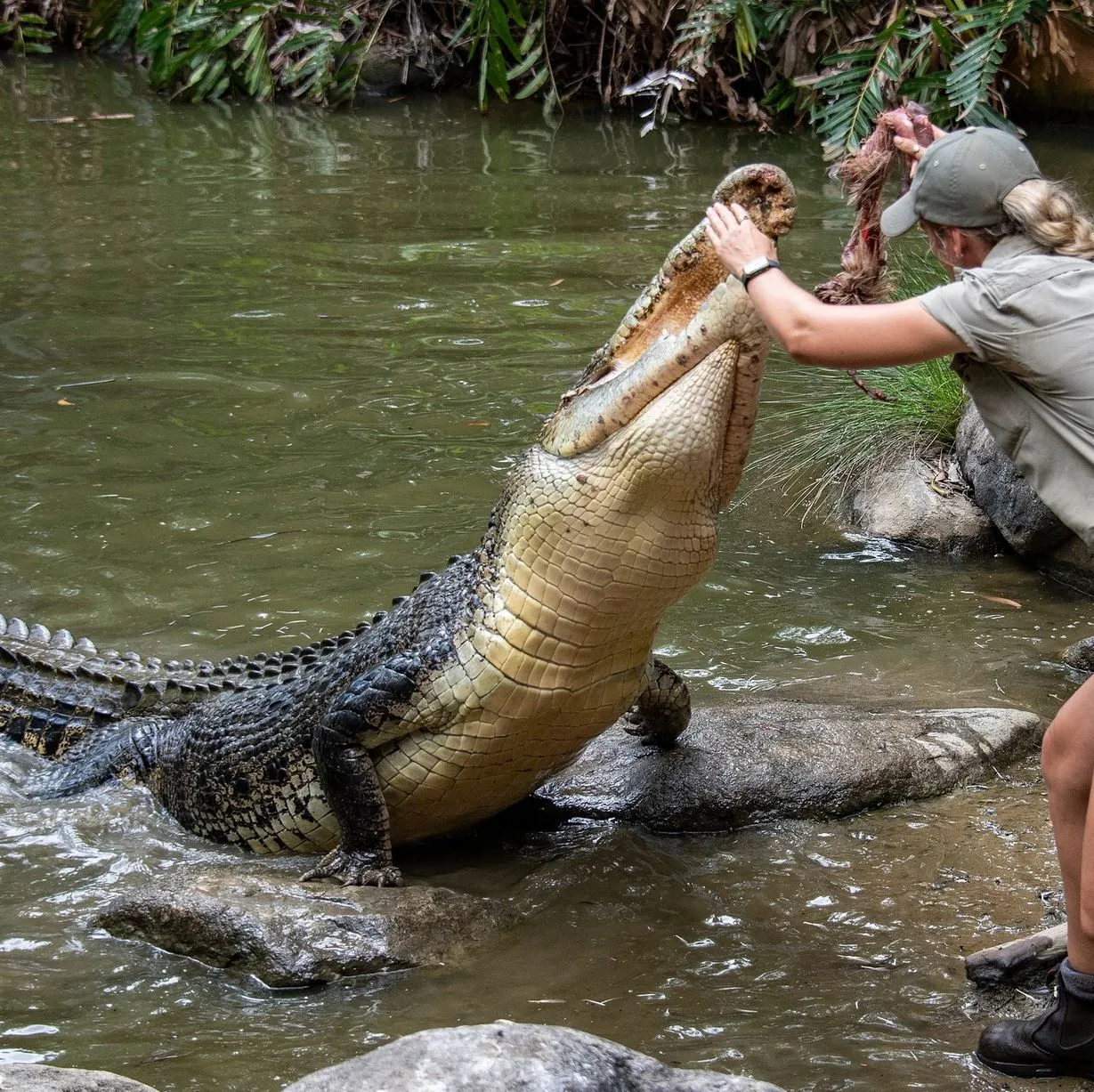
Any Tips On Getting Close to Large Crocs Like Brutus and Dominator? The question usually slips out around the first sip of coffee for some reason, often after a nervous glance over the shoulder, usually from first-time visitors to the area who’ve just spotted a croc for the first time. Honestly, yes – there are tips – but trying to impress crocs with bravery or leaning over railings isn’t part of them, and nor is relying on your wits – or reflexes – over an animal that’s had millions of years to perfect its hunting tactics.
I’m Paul Beames, the guy behind Get Lost Travel Group, and I’ve probably spent more hours than I care to remember guiding people around the Top End. I’ve seen crocs pop up like a fish breaking the surface, had my heart miss a beat as I’ve watched a jaw shut with a speed and force that puts even the fastest cameras to shame, and yes, I’ve even felt a boat rock precariously when a large male decides to put on a show. If you want to get close to the likes of Brutus and Dominator without ending up as their next meal, this is the way to do it.
Why Adelaide River Produces Such Massive Crocs
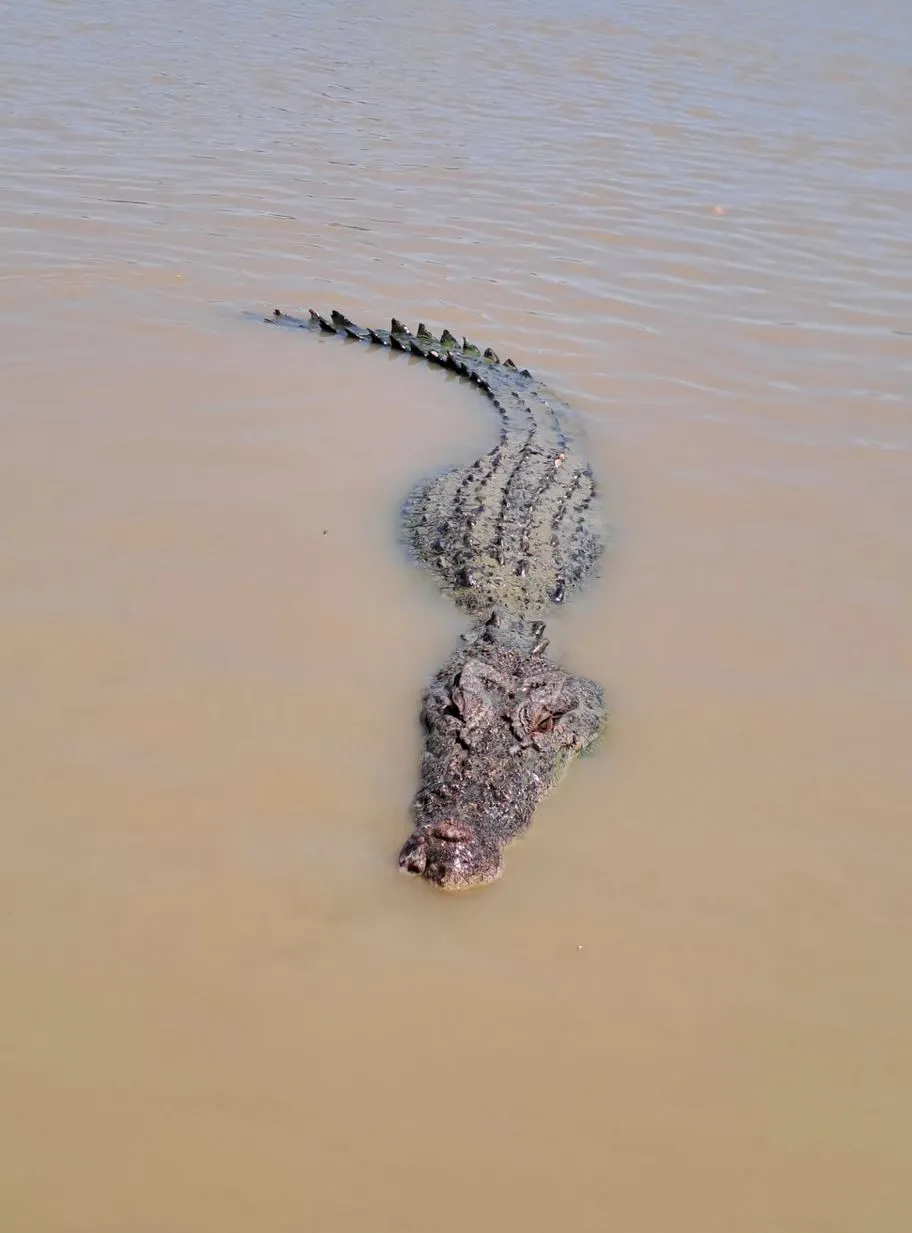
The Adelaide River isn’t famous for nothing. This bit of water has got everything a saltwater crocodile could want – a regular food supply, strong tides coming in and out and loads of space for the big males to stake their claim and not have to fight all the time. That’s probably why so many people end up booking a crocodile cruise here rather than elsewhere in the Top End – and not just at random.
On a well-run boat trip, you’re not out there chasing after crocs the whole time; you’re positioning yourself to have a go, waiting patiently and letting the river and the wildlife do the rest. And that is the difference between actually seeing a croc and a wasted afternoon.
Who are Brutus and Dominator Really?
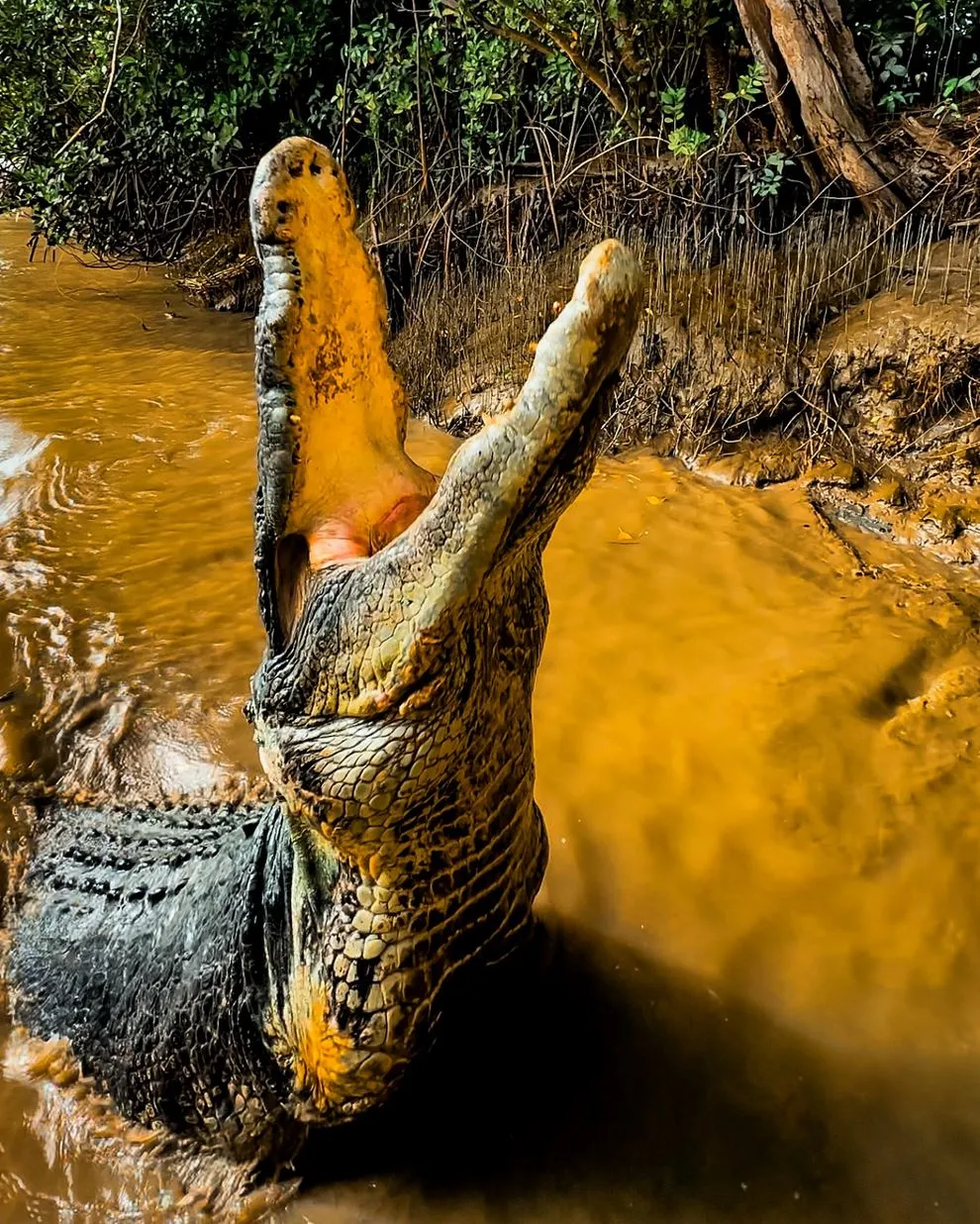
Brutus and Dominator aren’t novelty mascots or crocs you can expect to turn up – they’re wild saltwater crocodiles that just happen to put up with the noise of the boat and the commotion of the tourists – when it suits them. Brutus has got a reputation for being big, scarred and missing a limb – which may well have come from an old boating accident or a fight over territory back in the day. Dominator got his name from chasing off other males when they’re trying to get a feed. I’ve been on trips where one of them shows up within minutes and others where neither of them shows up – period. And if anyone’s still promising you that you’ll definitely see them, they just don’t get it about crocs – or rivers.
The Only Real Way to Get Up Close
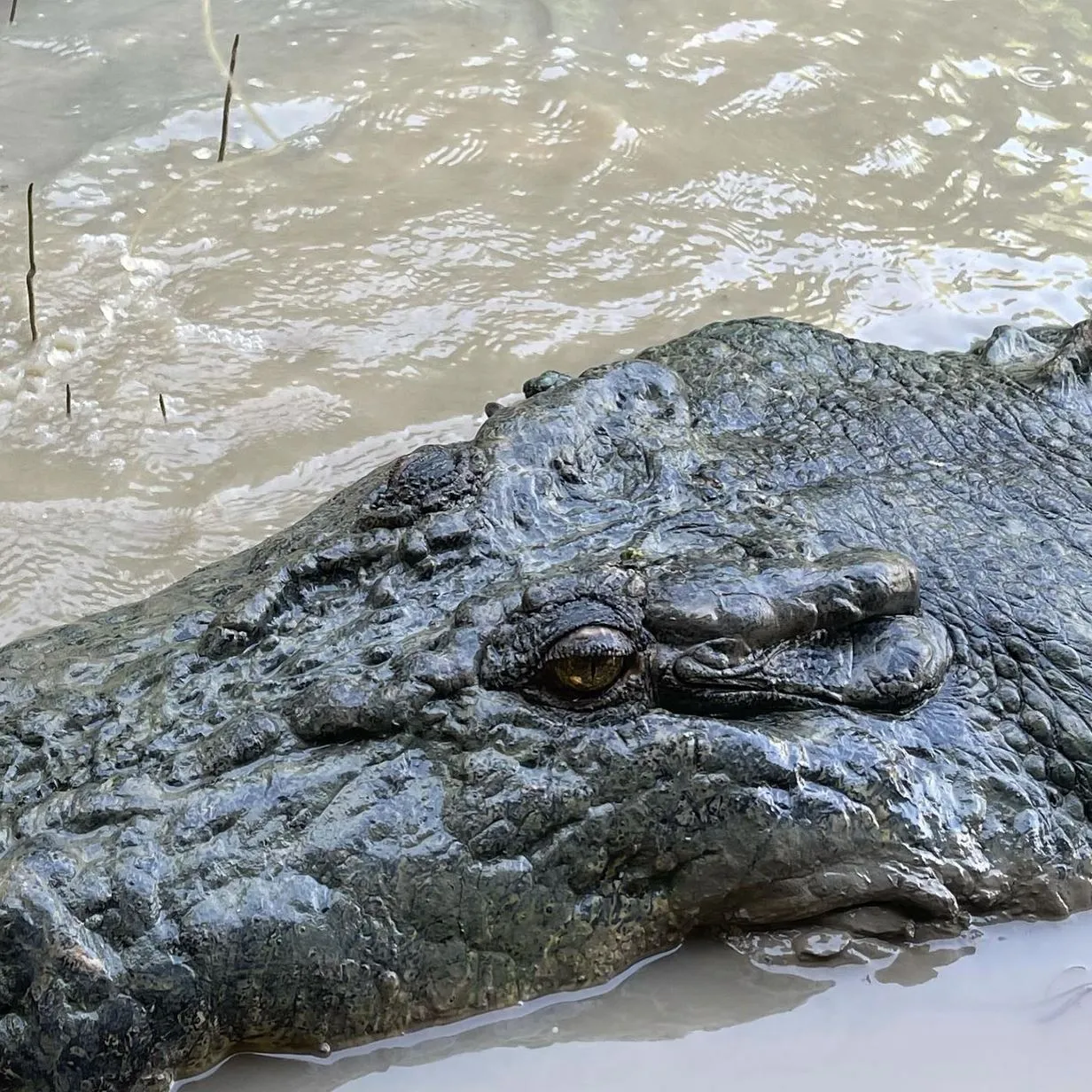
If you want up close and personal without being a complete idiot, you really should go for a licensed crocodile cruise. Because these operators follow the local wildlife rules, make sure there’s a good gap between boats and adjust their plans to suit the tides and the moods of the crocs – you know, the usual stuff.
I’ve done a Jumping Crocodile Cruise or two, and what really strikes you is just how patient the skipper is. They’re not in any hurry to try and get an encounter going, or – worse still – try to get the poor buggers used to being fed by the tourists instead of hunting in the wild. On my last trip, the skipper waited nearly twenty minutes before a big bloke finally surfaced – and when it did not, a single person needed to be told to pipe down.
Loads of folk choose the Jumping Crocodile Cruise from Darwin because it takes the stress out of getting there, and navigating the tides and all that jazz. You just rock up, listen to the skipper, and let the professionals do the rest – which is precisely what you should be doing.
“Getting Up Close” Is All About Calm
Here’s something worth etching onto the back of your head somewhere: Crocs are the ones who close the gap, not you. On a tourist boat, it’s the people who are still and quiet that get a good look. Shouting, leaping out of your seat or running around like a headless chook just gets the croc to get the hell out of there – or worse.
Some of the best encounters I’ve had with these buggers came from just doing nothing and turning the engine off, putting the camera away, and just letting the river chill. And that’s when a big ol six-metre shape just slides up beside the boat and reminds everyone exactly who is boss around here.
The Jumping Business Explained (With No Hype)
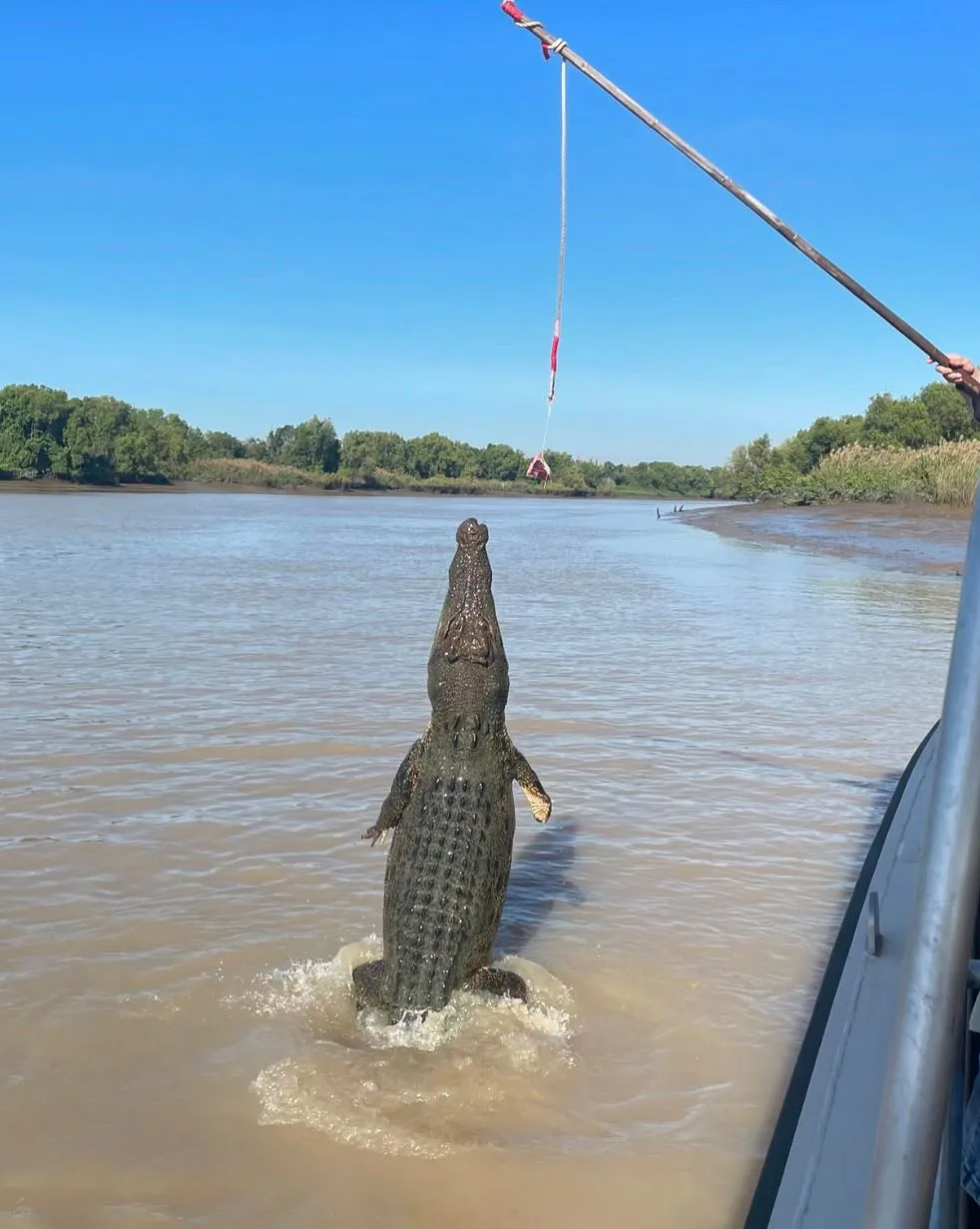
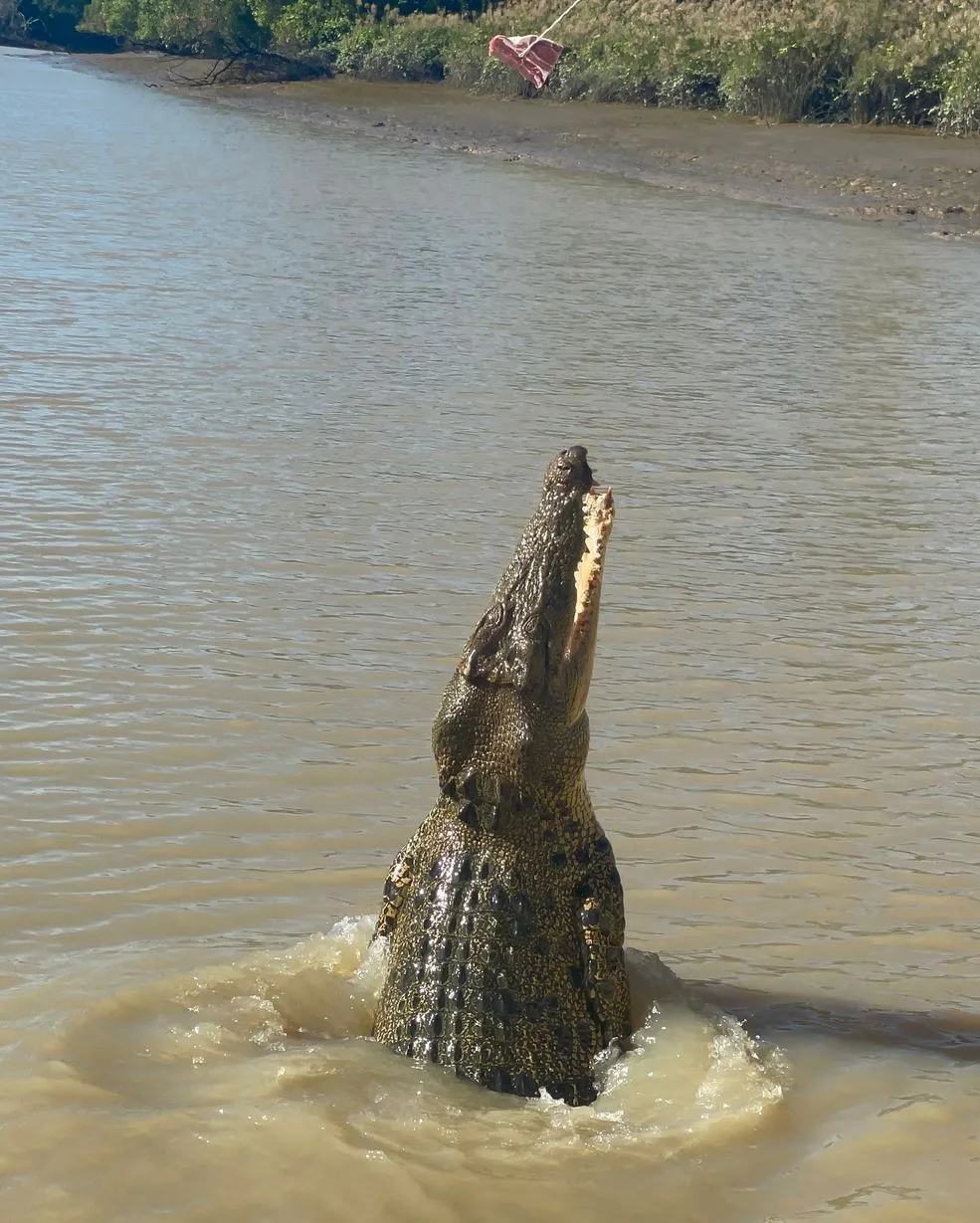
Yes, the jumping is for real. And no, it’s not some wild free-for-all. What the guides do is suspend a bit of buffalo meat on the end of a fishing rod and just let the croc decide how interested it is. Pretty simple, really.
This actually matters. Because when a croc jumps, it’s showing off its vertical power, timing and reach – it’s not that it’s starving to death or anything like that. On a good day, you might see a croc launch itself out of the water with about as much ease as a fish on a rod. On a quiet day, it does diddly squat. And that’s fine too. There’s no need for wildlife to run to your schedule, after all.
Sitting on a Jumping Crocodile Cruise boat and watching that moment unfold gives you a genuine appreciation for just how little room there is between a safe distance and a complete disaster.
Why Regulated Tourist Boats Matter
The Adelaide River is not a free-for-all. There’s actually a system in place to stop all the tourist boats from crowding each other out and stressing out the poor crocs. The boats stagger their arrivals, avoid interfering with the big ships, and generally try to keep things as calm and predictable as possible.
You can imagine what a nightmare it would be if there were no rules and there were loads of inexperienced boat operators just zooming about and causing chaos. The river and the wildlife would pay the price, and so would the tourists. A proper crocodile cruise is there to look after the river just as much as it is to keep you safe.
Dry Season vs Wet Season: Timing Your Trip Right
The dry season, roughly May to September, is really the prime time to visit. With water levels lower, all the wildlife concentrates in one place, you can see for miles, and those sneaky crocs are a heck of a lot easier to spot. Early mornings are often when the water is calmest, and the light is just right.
You can still do a wet-season trip, but conditions are much more unpredictable. Higher water levels give those crocs loads of places to hide. You might get lucky and catch a glimpse of one, but don’t count on it being a regular occurrence either. If you’re on a tight schedule, getting on a Jumping Crocodile Cruise from Darwin during the dry season is probably your best bet.
Safety by the Numbers: Why You’re Probably Fine
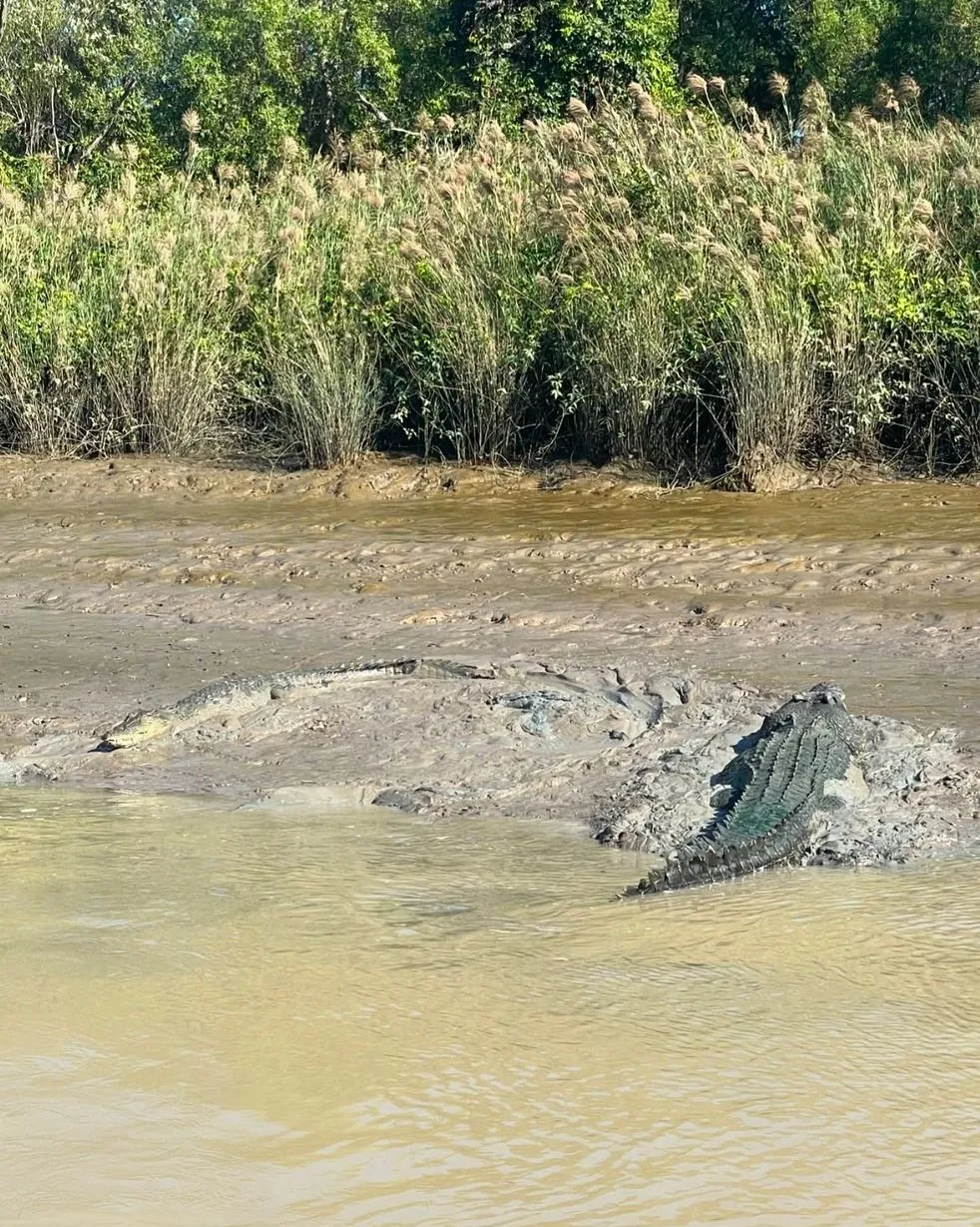
The NT Government’s wildlife reports indicate that serious crocodile incidents mostly occur outside official tourist activities. But – and it’s a big but – commercial crocodile cruises have an incredible record of not having any significant incidents. That’s because they must follow strict rules and ensure their staff are adequately trained.
| Scenario | Regulated Croc Cruise | Unauthorised River Access |
|---|---|---|
| Trained guides | Yes | No |
| Controlled feeding | Regulated only | Illegal |
| Emergency response | Planned | None |
| Incident history | Extremely rare | Repeated |
The lesson here is simple: systems are in place for a very good reason
What Not to Do (Hard and Fast Rules)
I’ve seen guides wrap things up right away when someone tries to get too clever – and trust me, you don’t want to be that person.
- Don’t even think about dangling your hands or a camera over the edge of a boat\
- Unless you’re specifically told to, don’t stand anywhere
- Shallow water is not necessarily safe – don’t take any risks
- Don’t even think about swimming or wading near a tidal river
- And don’t even think about ignoring the warning signs put up by local Traditional Owners
You can’t be croc-wise in the Top End without following the rules.
Cultural Context: This is Our Home Country
These rivers are Aboriginal Country, and the crocs that live here are an essential part of the Dreaming stories and the traditional law that runs this place. When we’re operating in these areas, we follow the guidelines and rules put in place by the Traditional Owners – no debate and no excuses.
Respecting these rules isn’t a nice-to-do – it’s just the way we operate in the country we’ve been assigned to.
My First Real Wake-Up Call About Crocs
I still remember a still morning on the river when everything was looking pretty flat, and the mozzies were driving us all nuts. People were all relaxed and then, suddenly, a croc head popped up right next to the boat – no warning at all.
The guide promptly cut the engine and just waited. And that pause was the most valuable lesson I ever got about not overreacting. No yelling, no pointing, just letting the croc make the next move. After a bit, it just drifted off and disappeared. Let me tell you, we all learned a lot from that.
Planning Tips That Actually Make a Difference
If you want to have a great time on the river:
- Make sure to book your tour early in the dry season
- Choose a tour operator that’s been around the block a few times
- Don’t just ask about the time of the tour – ask about the tides too
- Just sit back, listen, and wait for the river to tell you what to do
- And for goodness sake, leave your bravado on the beach.
We build these principles into every Top End itinerary we create at Get Lost Travel Group because the river is a very patient teacher.
Final Takeaway: Close Enough Is All You Need
Getting up close to Brutus, Dominator, or any enormous saltwater crocodile isn’t about proving a point – it’s about knowing your limits, being sensible and knowing when to hold back.
A good Jumping Crocodile Cruise from Darwin gets you right in the action without taking any unnecessary risks. You’ll leave feeling a bit more humble and with a clear understanding of why we’re not at the top of the food chain in this market.
Got a crocodile story or a Top End question I haven’t covered? Throw it in the comments – I’m constantly updating these field notes.
FAQ
Are Brutus & Dominator pretty certain to show up?
No way, they’re wild. You won’t get to see them every time out. Sightings depend on the tides, where we are in the season and how they’re feeling.
How close to crocodiles do the boats get?
Close enough to see them properly – without taking any risks. The distance is controlled, and we’re constantly monitoring any changes in the situation.
Is watching them jump safe?
Yes, it’s fine if you’re on a cruise with an operator who’s got the right qualifications and is following the rules.
Does the dry season really make a difference?
Yeah, generally it does. The water’s lower, so you can see better, and we can anticipate what might happen more accurately.
Can you take the kids on a crocodile cruise?
You can – with a reputable operator and someone keeping a close eye on them all the time.