
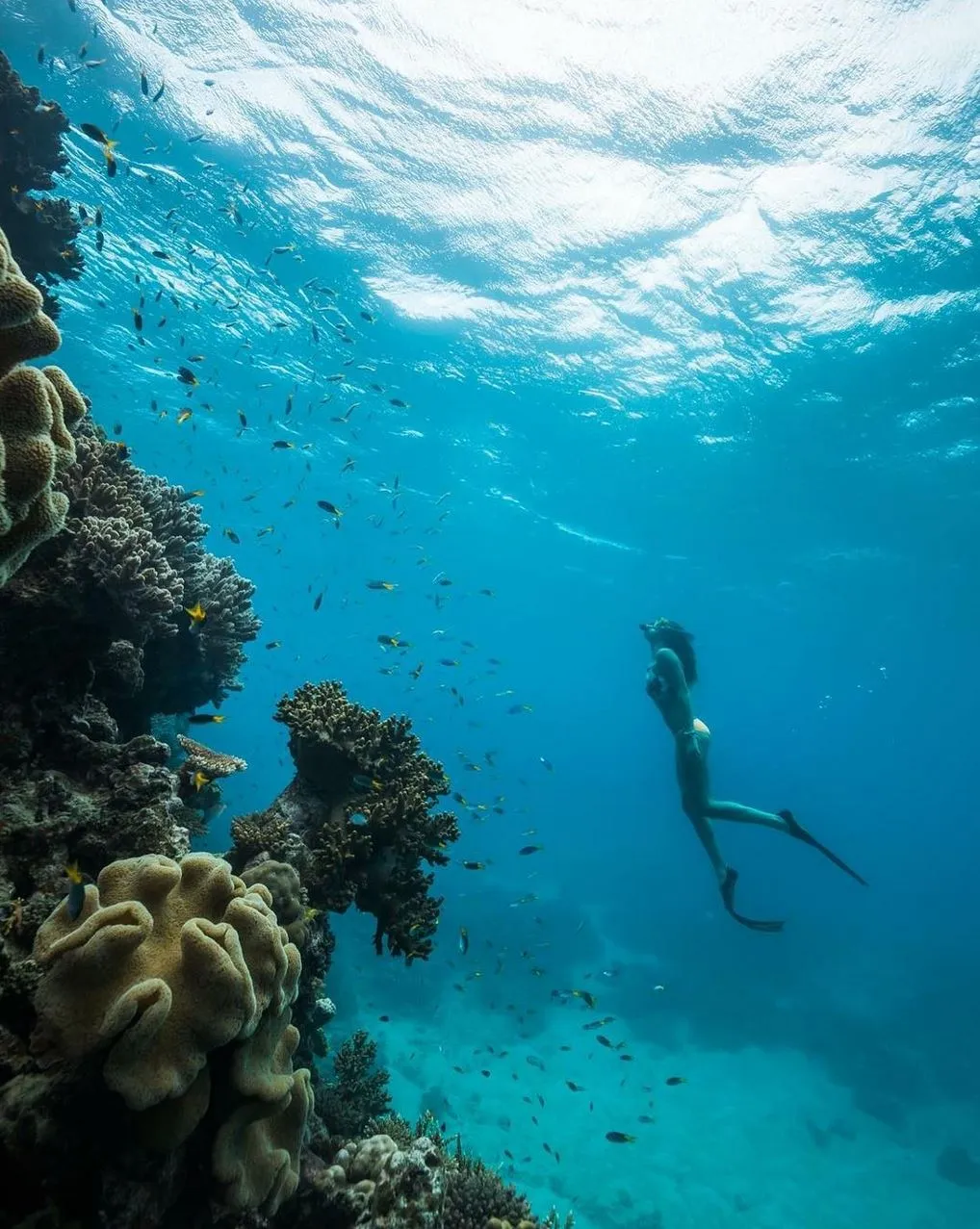
The first time I got to plan 5 full days on Hamilton Island: Best Snorkel Spots from Shore, I was thinking I’d pretty much spend my time lounging by the pool, cocktail in one hand, dipping my toe in the sea every now & then. Turns out the real magic happened just off the shore – coral gardens teeming with marine life: turtles, parrotfish, and the little wrasses that just come swimming up to check you out. You don’t need a fancy catamaran, some tour guide, or a diving tank to see them – just slap on a mask, some fins and grab a tide chart.
I’ve spent plenty of time around the Whitsundays to know that not all islands are created equal – some make you work hard for their rewards. But Hamilton Island isn’t one of them. Here, the reef is practically right at your feet – a few easy strokes from shore, and every beach has its own unique story to tell. Over five days, I put each of them to the test and here’s what I learned – and how you can make the most of your time there. If you’re hunting for some local operators who really know their stuff, Great Barrier Reef trips is a reliable option to look up.
How to Plan Your Reef Days the Right Way
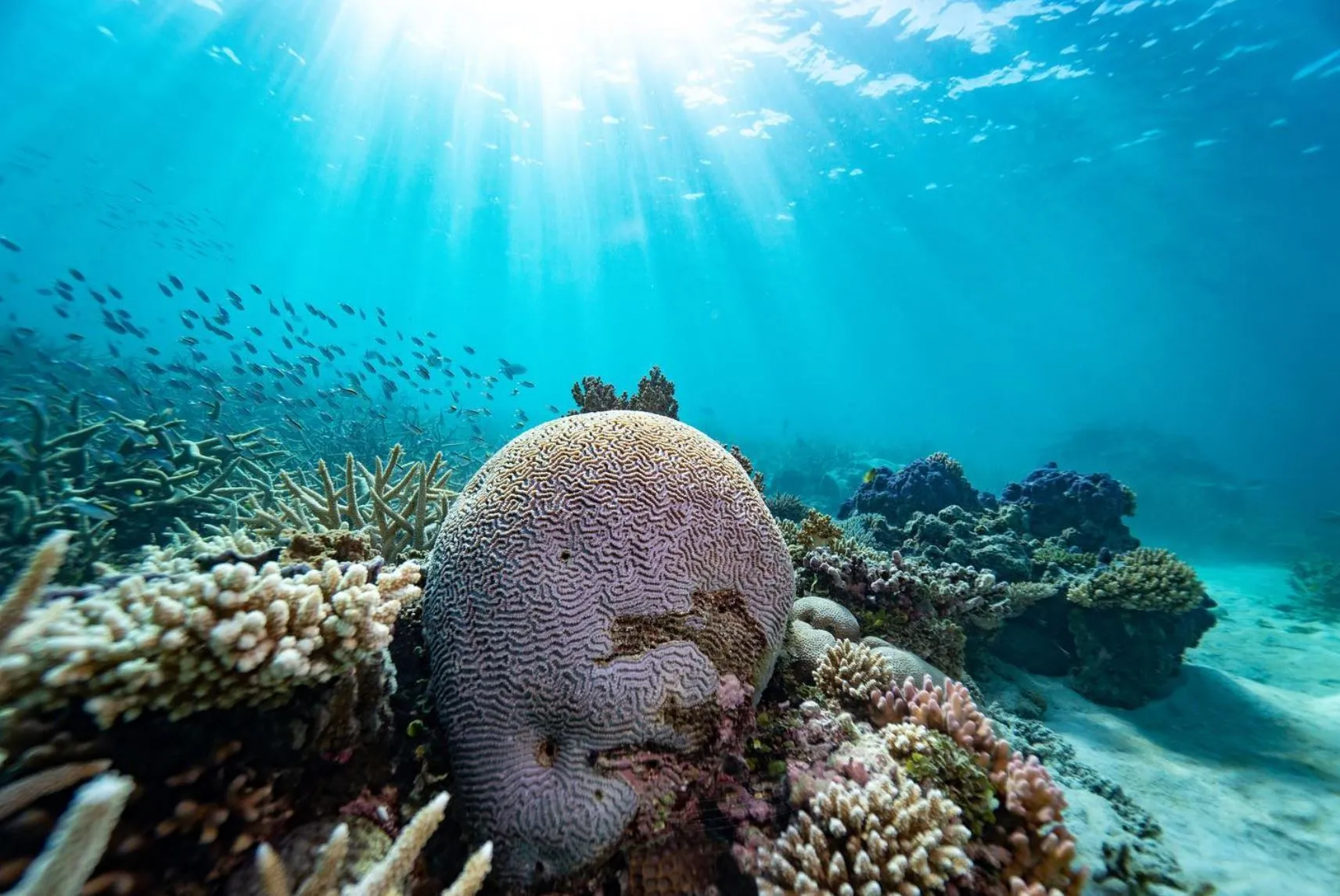
Before you even get in the water – literally – it’s a good idea to get a sense of what you’re dealing with. Hamilton Island is about 887km north of Brisbane and boasts around 1200 permanent residents – that’s a fraction of the Whitsundays’ total population (ABS 2021 although I’m not entirely sure why that’s relevant. Anyway, the water around the place forms part of the Great Barrier Reef Marine Park, so you’re snorkelling in a protected ecosystem that’s home to an astonishing 1600 species of fish and 450 types of coral – according to the Great Barrier Reef Marine Park Authority (GBRMPA 2024 I’m assuming that counts & I’m probably forgetting some).
The reef is right there, practically at your feet, but the visibility’s not always great – weather plays a big part in that. The wind, tide and even how much rain has fallen can all affect what you see – and how well you can see it. Luckiest day of all? probably those calm mornings when the tide’s coming in, and it’s between April and November. And if you’re visiting during stinger season (that runs from Nov to May), you’ll want a stinger suit just to be on the safe side. Summer’s not bad at all – don’t get me wrong – but it’s a bit more humid, and you might need to pack a few extra tricks for your box jellyfish defence – Great Barrier Reef Tours often put up some great info on tide & conditions for perfect snorkel sessions.
Day 1: Catseye Beach – the perfect spot for your first snorkelling fix
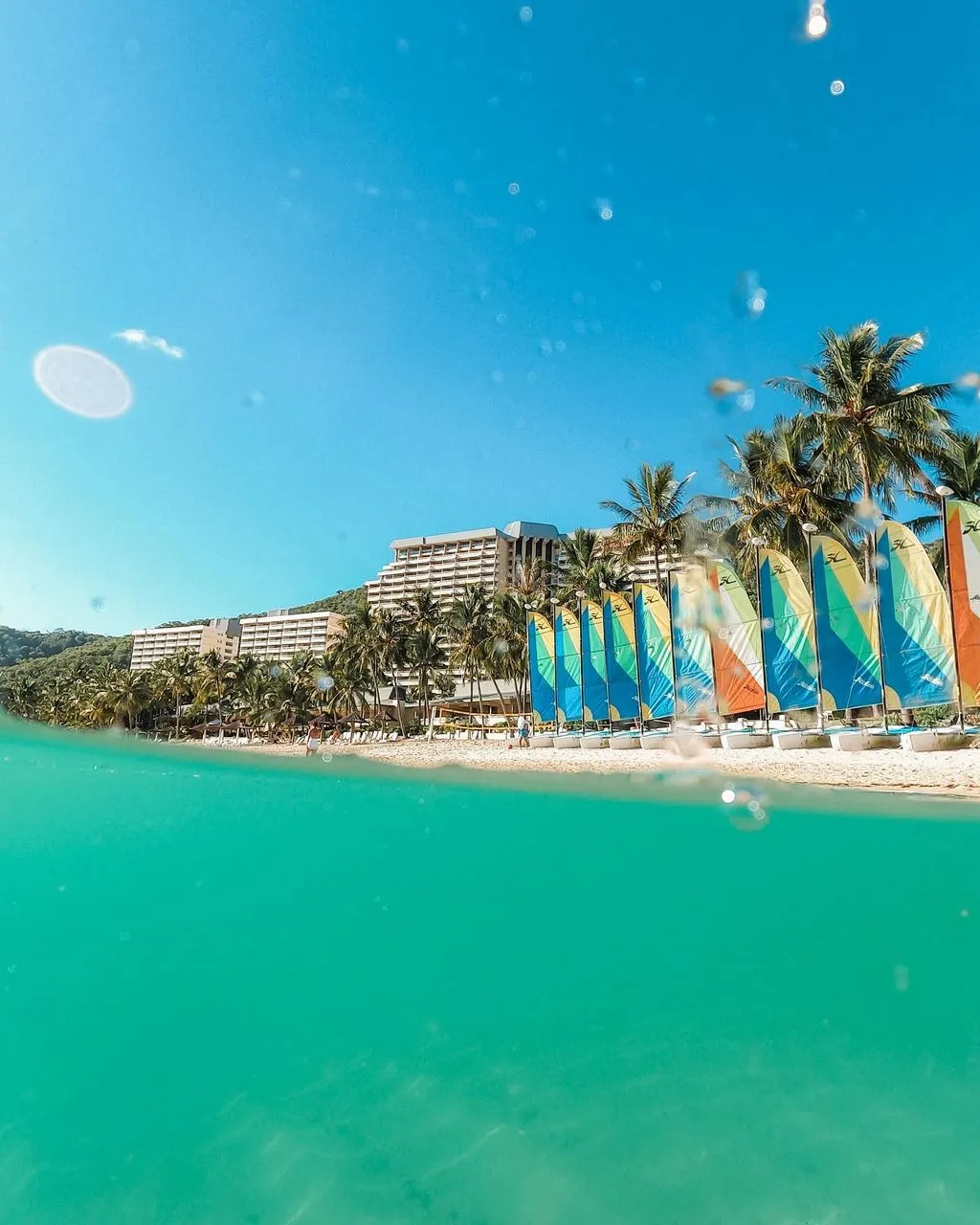
Catseye Beach – that’s where you’ll find all the action and where most of us get our first taste of snorkelling. It’s a great spot for newbies and families looking for a stress-free experience – especially when the tide’s up mid to high – and the coral flats are underwater.
Just wade in just off the middle of the beach and paddle out for about 150 meters, and you’ll be swimming with the fish – clusters of coral bommies, some lovely soft coral fans and even the occasional turtle munching away on the seagrass. If you paddle on over to the reef’s edge, the colours get even more vibrant – butterflyfish, damselfish and the odd batfish making a cameo appearance.
Local Tip: If you’re planning on doing some snorkelling here, grab your gear from the Beach Sports Hut or bring your own. The best time to go is early morning – the visibility is always better than later in the day, and the crowds haven’t quite woken up yet. Also worth noting: some operators will lend you flotation vests if you’re a little nervous about getting in the water. Great Barrier Reef Tours have a bunch of other quiet spots marked out in the Whitsundays if you’re after another easy-going snorkel.
Day 2: Coral Cove – a peaceful spot to get your snorkelling fix
If you’re after a bit more peace and quiet, Coral Cove is the place to head to. It’s about a 40-minute (3.5 km return) trek from Catseye via the Passage Peak Track, which just so happens to go through some beautiful eucalypt forest with loads of kookaburras and curlews up in the trees. You’ll have a ball just walking it.
When you finally get to Coral Cove, you’ll see why it’s worth taking the time. The water is just crystal clear, the reef shelf drops off nicely and gently, and – best of all – it’s usually deserted. The cove gets deep fast, which means loads of different coral – staghorn, plate and brain coral mixed in with schools of fusiliers flashing around in the sunlight.
Safety Note: For clarity, this is an unpatrolled beach with no lifeguards. Double-check the tide before you go and watch out for any strong winds coming off shore. Always snorkel with a mate – the currents can sneak up on you when you’re not expecting them.
Day 3: Get Away To Escape Beach – Turtles and Tranquillity Found
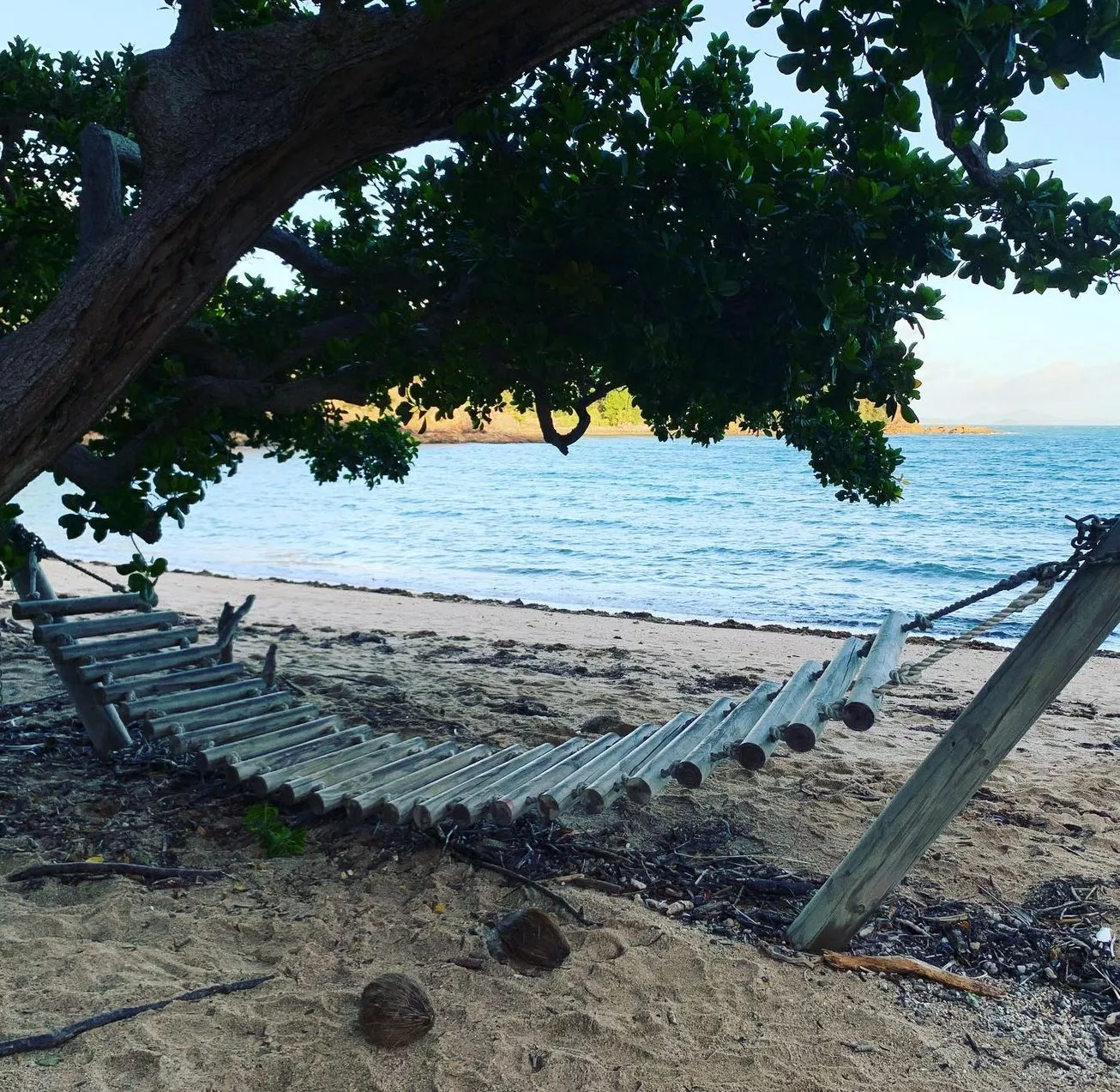
On day three, set off a bit further down the track – an hour’s walk from Catseye. Be prepared for some steep sections along the way, so don’t forget to bring some water, a decent hat, and sturdy footwear. The effort is worth it, though – you’ll stumble upon a picture postcard perfect stretch of sand surrounded by water so blue it looks like it was painted on a canvas.
This is a turtle hotspot, believe me – green turtles are almost a given on every visit, and not infrequently you’ll spot them cruising along just metres from the shoreline. The coral isn’t as thick here as it is in some other places, but the seagrass beds in the area draw in rays and smaller fish from the reef.
Don’t forget to bring a packed lunch with you – there’s no café or spot of shade to be found anywhere, so be prepared for that. Plan to go snorkelling at high tide, when the access is easiest – and that’s just as well, since Escape Beach faces south, so the water tends to stay a lot calmer even on windy days.
Day 4: Uncovering Hidden Bays and Reef Ledges – Not for the Faint of Heart
Once you’ve got the hang of the main beaches, get out the map and start exploring Hamilton’s secret spots on the eastern side. Just near Passage Peak, there are a few small bays that aren’t marked on the tourist maps. These have impressive coral ledges on par with the boat-access sites.
But be warned, getting to these spots isn’t for the faint of heart. Expect a pretty rough scramble down to the water’s edge and some scratchy branches along the way – If you’re up to the challenge, though, the rewards are worth it – towering coral heads and schools of bright blue fusiliers streaming past in all directions.
Important note: You must be a confident swimmer to tackle these areas, and always check the weather before heading off the beaten track. Tides can come in quickly and expose the reef flats, leaving you up the creek without a paddle. No exit strategy to speak of, so be careful.
| Snorkel Spot | Distance from Catseye | Access Difficulty | Best Tide | What You’ll See |
|---|---|---|---|---|
| Catseye Beach | 0 km | Easy | Mid–High | Turtles, parrotfish, coral bommies |
| Coral Cove | 3.5 km | Moderate walk | Mid | Staghorn coral, fusiliers |
| Escape Beach | 5 km | Hard walk | High | Turtles, rays, and seagrass |
| Passage Bays | 6+ km | Advanced | Incoming | Reef ledges, schools of fish |
Day 5: Whitehaven Day Trip — And Now For a Bonus Snorkel
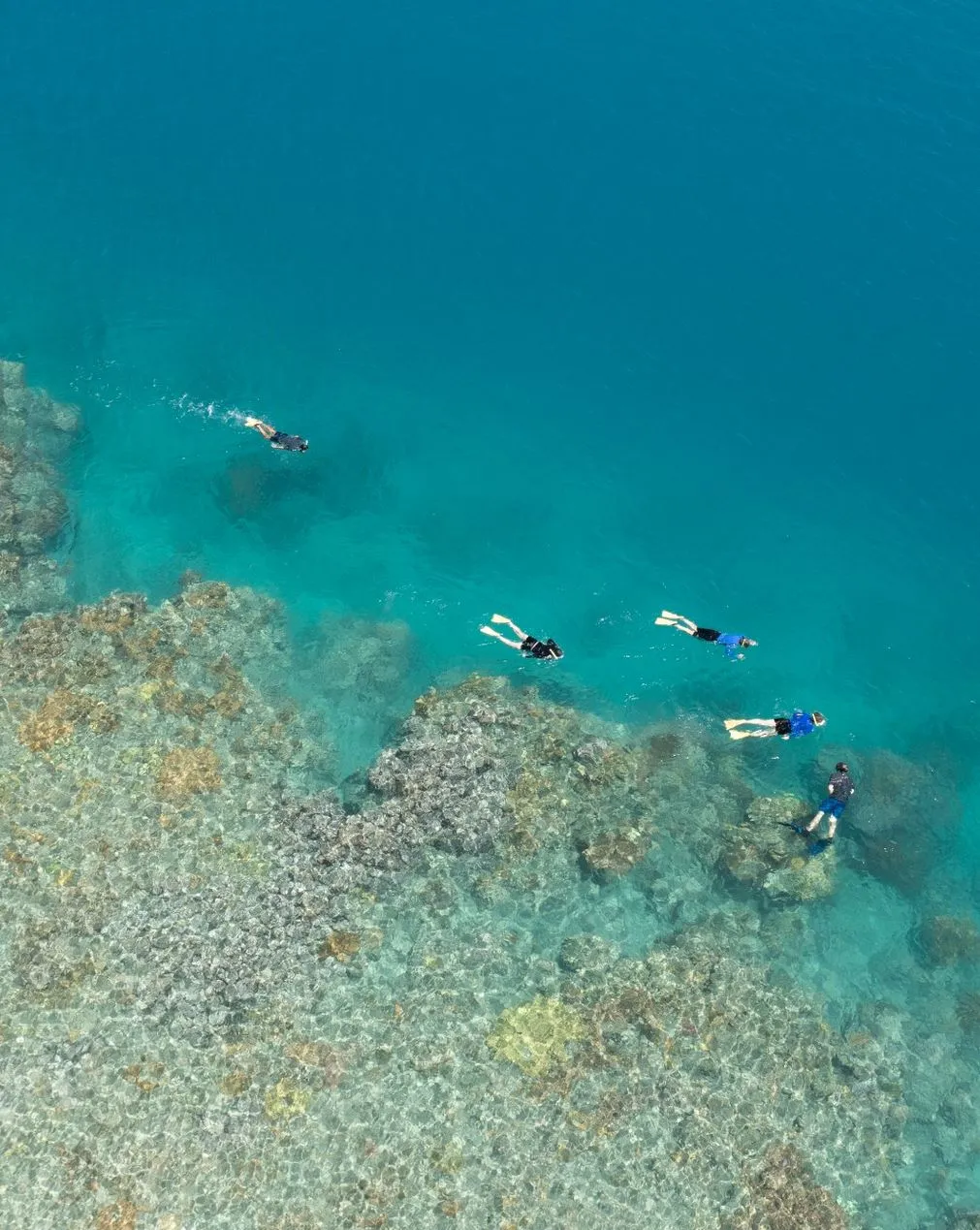
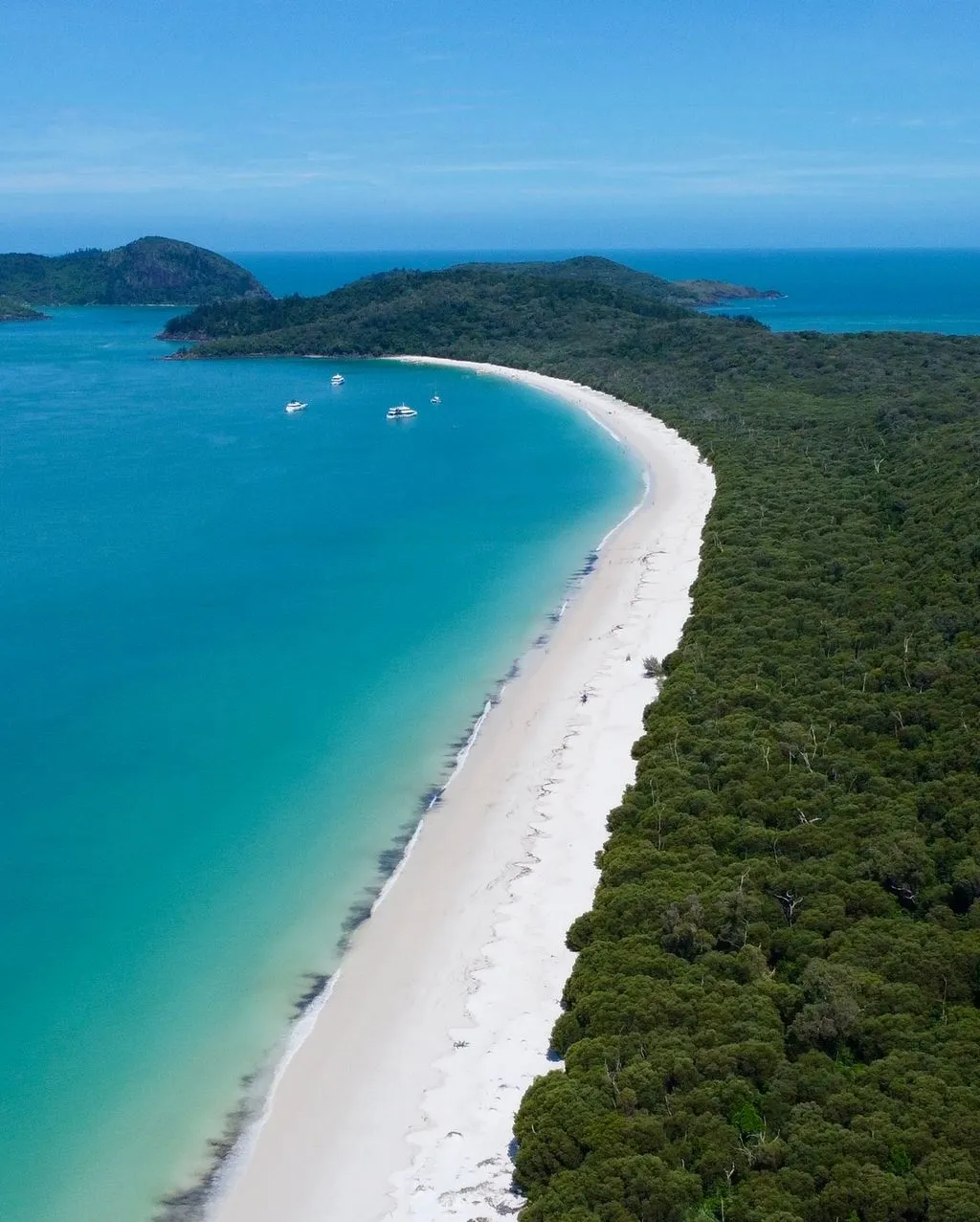
Technically, we’re not on Hamilton today, but if you’ve a spare day, why not book a half-day or full-day tour to Whitehaven Beach or Chalkies Beach in Whitsunday Passage? Both are just a 30-minute sailing catamaran ride away, and they both have some of the best snorkelling in the area – colours and coral density are just a step up from what we’ve seen on Hamilton.
I’ve been running small group tours with Get Lost Travel Group, so I’ve seen firsthand how each reef looks – even just a few kays apart. Whitehaven’s sand – 98 per cent pure silica – makes a weird squeaking sound when you walk on it, and Chalkies has got giant clams and coral gardens that shimmer in every shade of blue you can think of.
The customer ratings for these day tours are consistently top-notch, with people raving about the service, safety and value. Most of the operators are pretty transparent about how they make a buck, so you know exactly where your money is going. Many of these trips are operated in partnership with Great Barrier Reef Tours, which has a strong reputation for its sustainable marine practices.
What to Pack for Five Reef-Filled Days
If you don’t shop in Hamilton, you can expect to pay top dollar for gear, so pack smart to save time and money.
Essentials Checklist
- Snorkelling gear (you can hire it, but the quality can be a bit hit and miss)
- Reef-safe sunscreen (get the kind that doesn’t hurt the coral, just in case)
- A rash shirt or stinger suit for whenever it’s peak stinger season (November to May)
- A reusable water bottle and some snacks for when you’re hiking on the beach
- A lightweight towel and a dry bag (just in case it rains)
- A small first aid kit – coral cuts sting like hell, so it’s not a bad idea to be prepared
One thing to keep in mind: don’t stand on the coral. It’s bloody fragile, and it takes years to recover from a careless step. Just float gently, keep your fins up and look, don’t touch. Great Barrier Reef Tours usually go over reef etiquette with you before you go in.
Understanding the Tides and Conditions
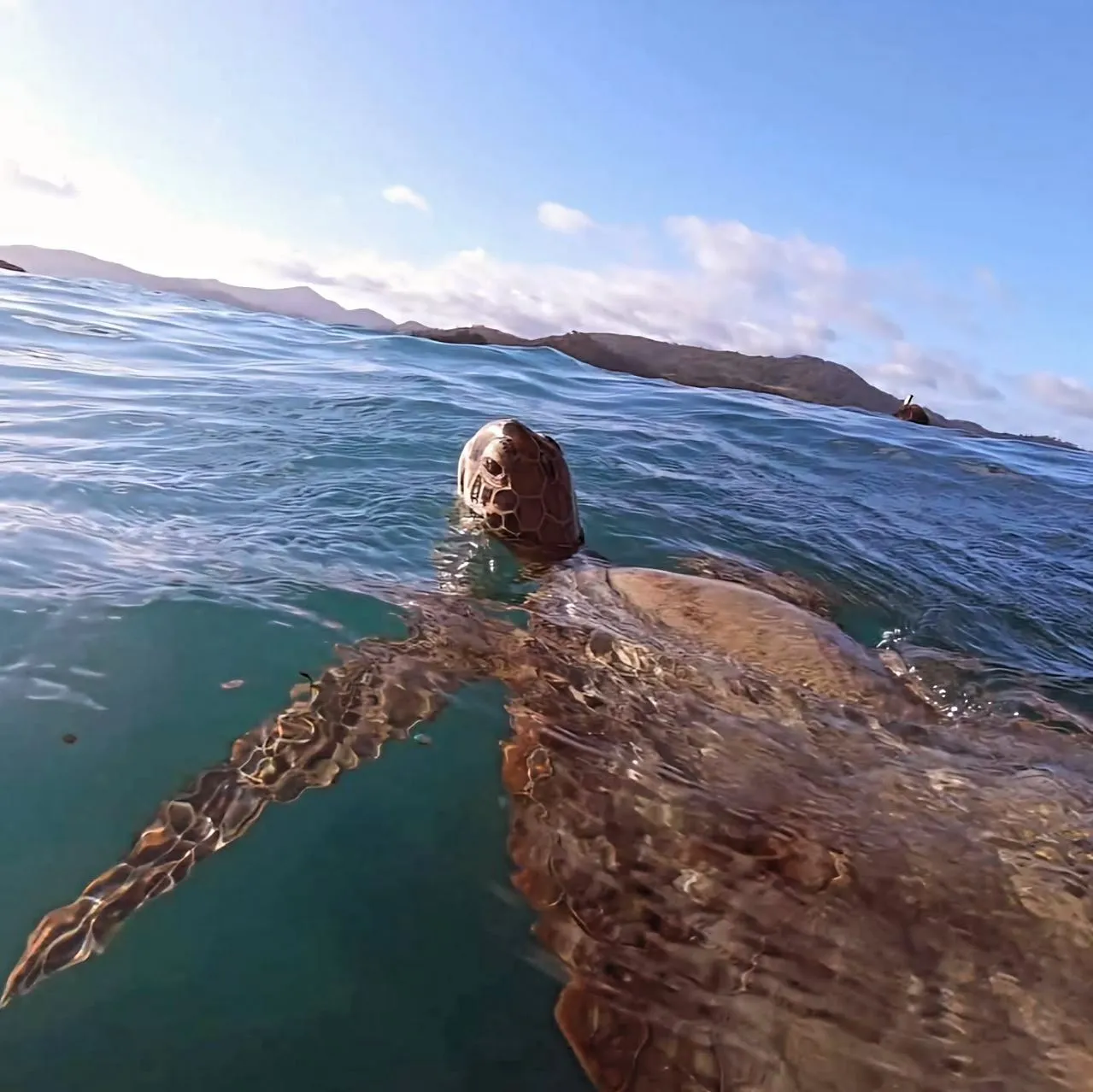
The fringing reefs here are really close to shore, which means tides are a big deal. At low tide, loads of the coral are just sitting in shallow water or even above water, so plan your snorkelling for mid to high tide, ideally when it’s a couple of hours before high tide.
From November to April, the water temperature is typically 26 to 29 degrees, and from May to October, it’s around 22 to 25 degrees, so it’s warm enough to swim for hours year-round. Visibility is typically 8 to 12 metres, but after a significant storm or gale, it can drop to 1 to 2 metres. And by the way, grab a copy of the local tide chart from the marina or your hotel – it’ll be your bible for the day. Great Barrier Reef Tours also provides extensive tide and visibility information for mainland visitors.
Local Respect and Reef Etiquette
Hamilton Island is part of the Country of the Ngaro People, traditional owners of the Whitsundays – where you’ll be swimming, snorkelling and walking through land and sea that holds deep, deep meaning for them. When you’re out and about, you’ll see signs pointing out sacred sites – and you must stick to the designated tracks and leave any restricted areas well alone.
When it comes to marine life, it’s just fantastic to look at it, but please no touching or chasing after fish and turtles – it really stresses them out and can cause some severe damage to the reef. There’s a brilliant app called the GBRMPA’s Eye on the Reef that lets you log your wildlife sightings and report any coral bleaching – it’s an easy way to give something back as you explore. The Great Barrier Reef Tours team supports this program and encourages its guests to submit sightings.
When is the Best Time to Visit
The dry season (April to November) is when you’ll get the calmest seas, lowest humidity and the best underwater views – just perfect for getting out to see the reef. The wet season (December to March) brings a lush green landscape, but it can also bring heavy rain and the occasional cyclone warning.
Even if you’re visiting mid-year, it’s a good idea to pack a sweater for the evenings, because although the sea breeze can be lovely after sunset, it can get a bit chilly. And in the summer, be sure to grab a stinger suit and plan your snorkelling for early morning or late afternoon to avoid the midday heat.
Quick Facts at a Glance
| Category | Details |
|---|---|
| Location | Whitsunday Islands, Queensland |
| Water Temp | 22–29 °C (year-round average) |
| Best Season | April–November (dry season) |
| Marine Species | ~1,600 fish, 450 corals |
| Tide Range | Up to 3 metres |
| Population | ~1,200 permanent residents |
| Traditional Owners | Ngaro People |
| Shore Excursions | Available year-round with local operators |
Final Thoughts – and a Call to Enjoy the Reef’s Sweet Pace
After spending five days on Hamilton Island with a sun-bleached rashie and a grin plastered on my face, I’d have to say it was an absolute scorcher. You don’t need to break the bank or venture off to the outer reef to experience the Great Barrier Reef’s full glory – many of its highlights are literally right on your doorstep.
Just chill out, keep your gear light and let the reef do its own thing. Got a fave spot at Hamilton that’s slipped under the radar? We’re always looking for more tips to add to our notes, so share them in the comments below.
FAQ
Can You Snorkel from the Beach on Hamilton Island?
Yeah, you can. Catseye Beach is definitely one of the best spots – especially at mid to high tide, the ocean is pretty calm and perfect for a dip.
Do I Need to Wear a Stinger Suit Year-round in Hamilton?
From Nov to May, yes, it’s a good idea. Outside of that, you can skip it, but still make sure to slather on sunscreen to protect yourself from the Australian sun.
Is the Coral around Hamilton Island in Good Shape?
From what GBRMPA has been saying (we’re talking 2024 reports), it looks like the fringing reefs around Hamilton are bouncing back and are actually looking pretty healthy – especially around Coral Cove and Escape Beach.
Can You Snorkel with Kids on Hamilton?
Catseye Beach is perfect for kids; it’s calm, shallow, and there’s even a lifeguard on duty to keep an eye on them. Please check the tide times before you head out.
Are Drones Allowed near Snorkelling Areas in Hamilton?
No, you’ll need a permit to fly your drone over the Marine Park. Please stay within the designated zones and avoid wildlife; this helps keep everyone safe and makes the experience more enjoyable.