
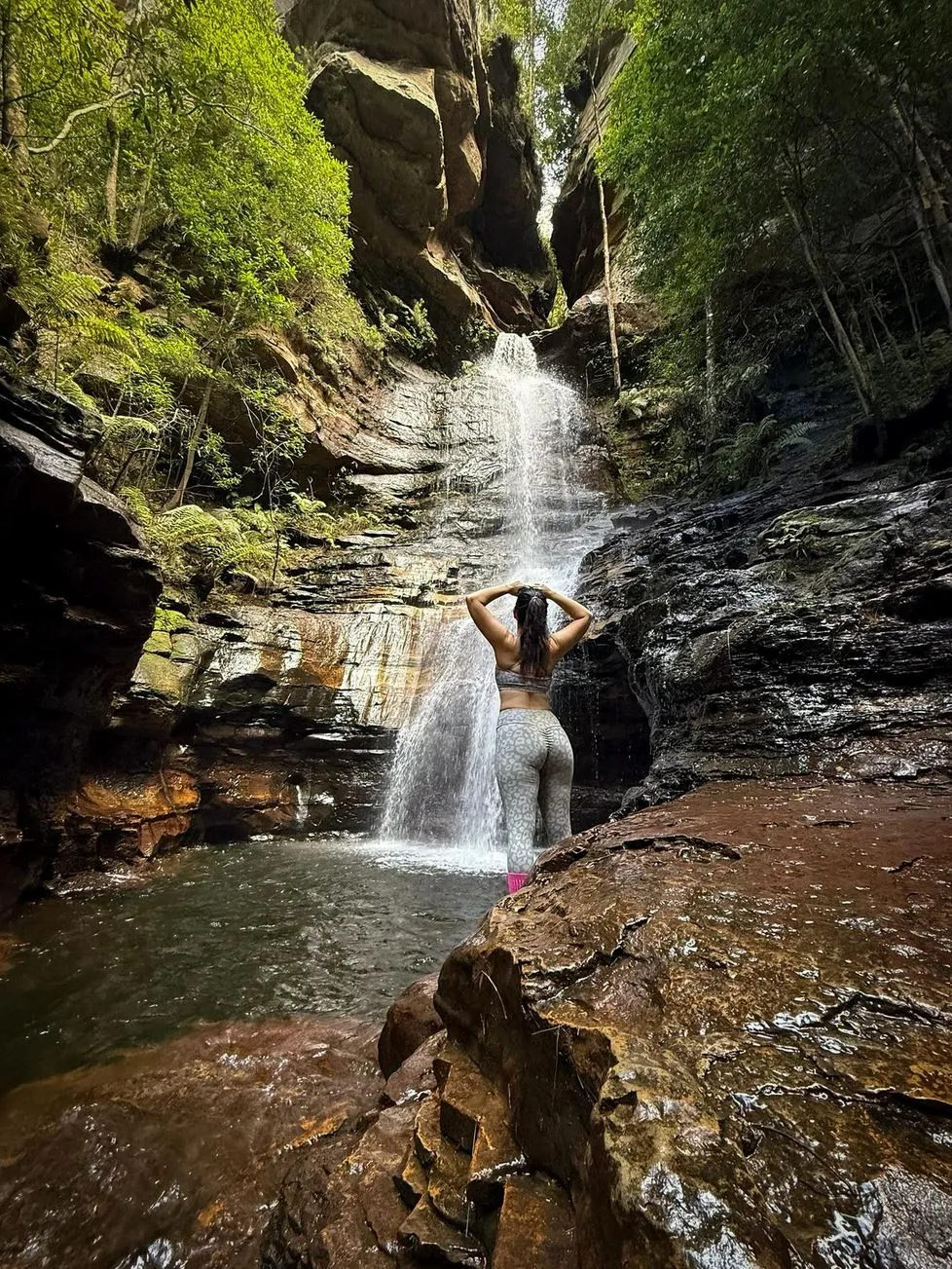
Hi, I’m Paul Beames, and I’ve had a heap of travellers come up to me and ask the same thing – “Is driving in the Blue Mountains gonna be scary, or is it really that bad?”. Now that’s a fair question since the Blue Mountains are pretty spectacular, but let’s be honest, the thought of winding roads, steep drop-offs and fog rolling in can cut down even the most confident of drivers to size. So let’s cut to the chase, it ain’t as frightening as it sounds but it does need a bit of respect, some preparation and a few good habits to get by.
Driving in this region isn’t about racing – it’s about taking your time and having a good think about where you’re going. With a bit of know-how, you’ll soon be handling those tight bends like a local and soaking up some of the world-class scenery along the way. If you’re still not feeling it, maybe booking yourself on a 1 Day Blue Mountains Tour will give you a good taste of the terrain before you put the key in yourself.
What Makes Mountain Driving Unique
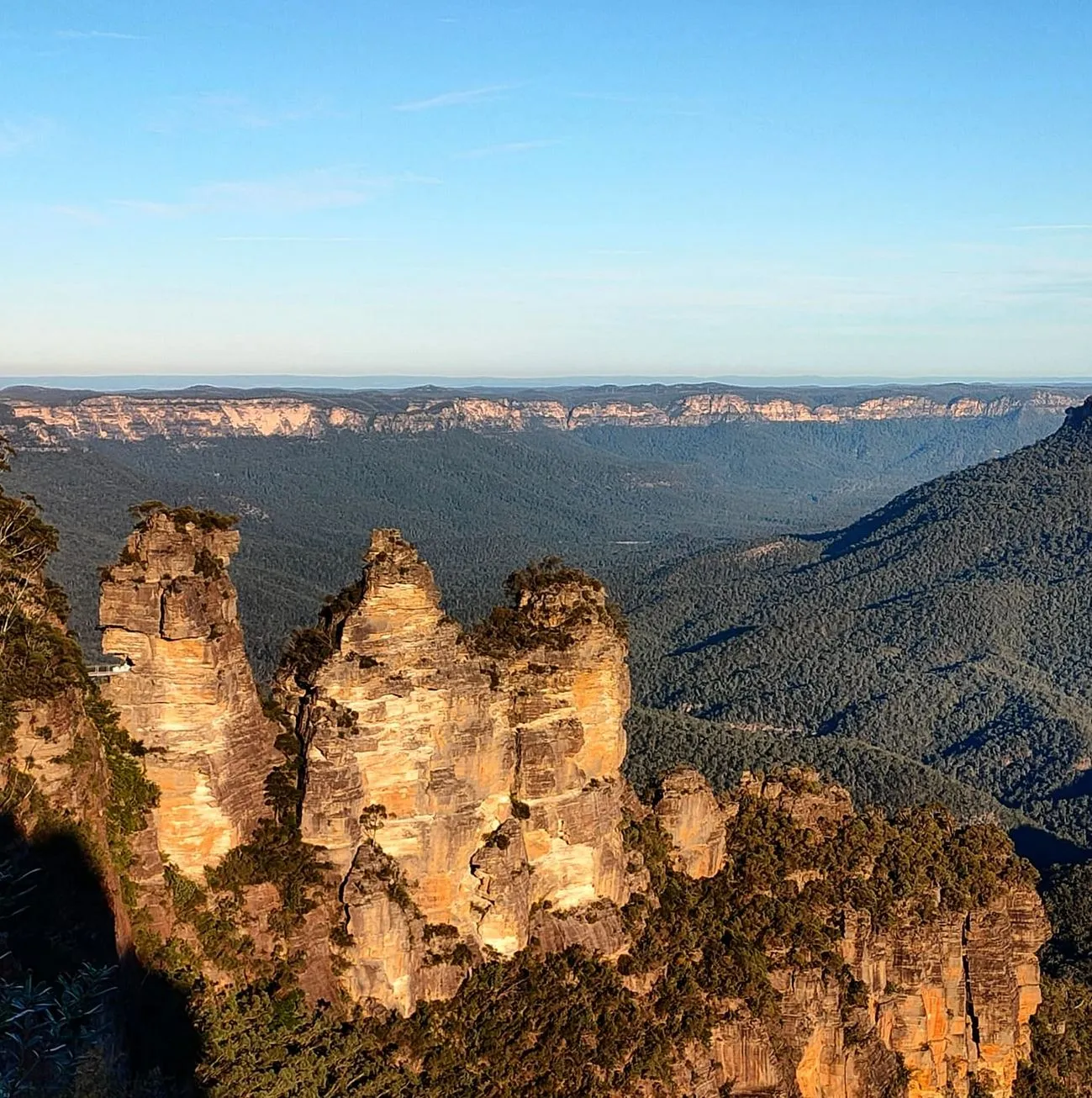
The roads in the Blue Mountains are pretty and all that, but they can be really unpredictable – you’ll be finding tight switchbacks, blind corners, and the odd patch of fog that makes your headlights look like a couple of candles in a cave. And then of course there’s the wildlife at dawn and dusk – kangaroos, wallabies and the odd wombat – all out there just waiting to get in the way. You get the picture.
Here’s the thing: locals drive these roads all the time, and if you just keep your speed down and pay attention to the signs, you’ll be sweet as. Patience is your best mate here, not speed. The thing is, the RMS reckon most of the problems on mountain roads come from people overestimating their abilities – not the road itself.
| Driving Factor | What You Should Know | Pro Tip from Paul |
|---|---|---|
| Speed Limit | Usually 60–80 km/h through mountain zones | Stick to it — speed cameras are frequent and well-hidden. |
| Weather | Fog and rain are common, especially in winter | Keep headlights on low beam; avoid high beams in mist. |
| Gradient | Sharp descents near Wentworth Falls & Leura | Use low gears, not brakes, on long downhill sections. |
| Wildlife | Kangaroos, wallabies, wombats | Avoid dusk driving if you can. |
If you’re joining a Blue Mountains tour, your driver will already be in the know when it comes to navigating those tricky gradients – so you can just sit back and soak up the views
Tips for Nervous Drivers
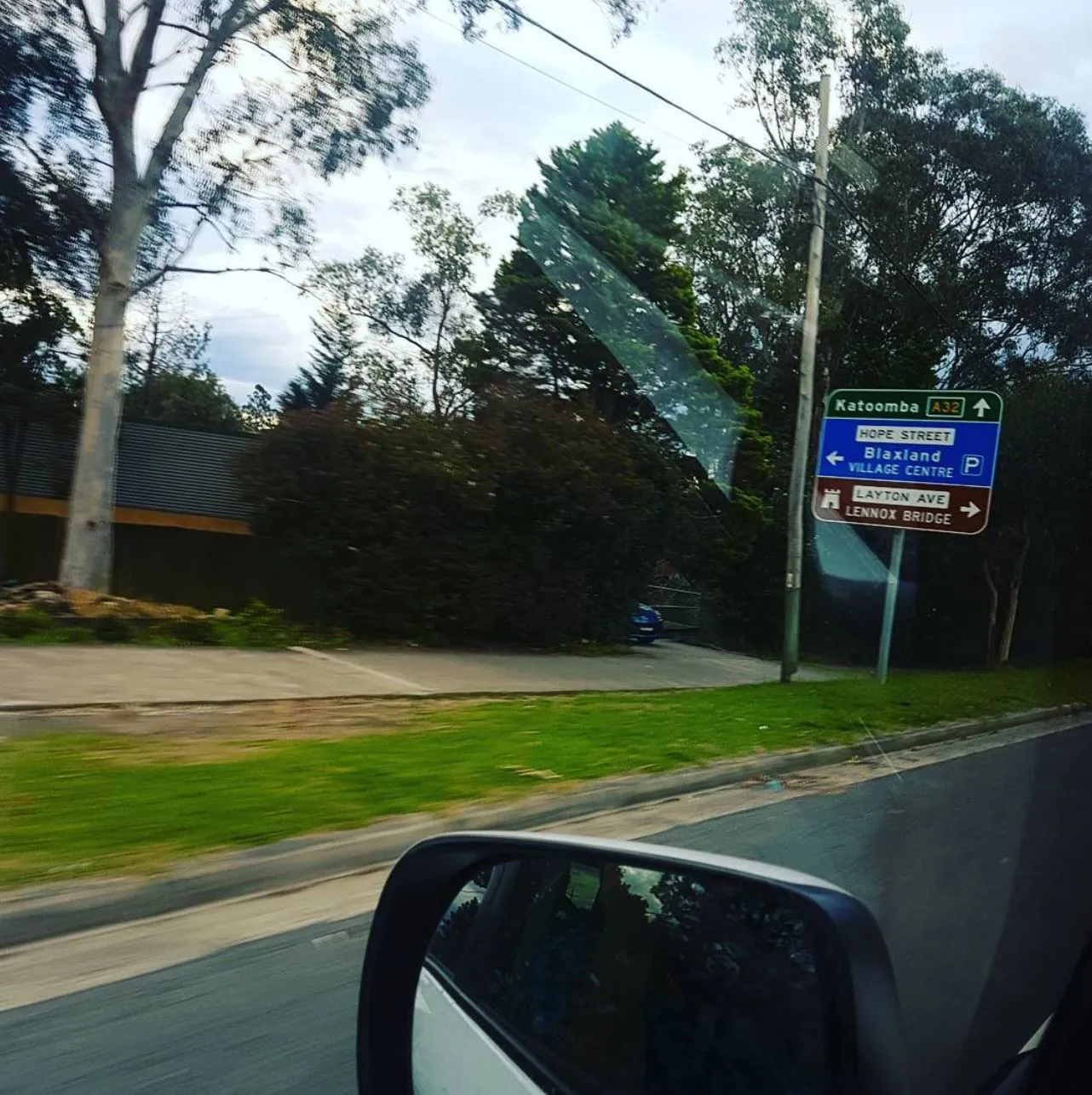
Feeling anxious? That’s actually a good thing – it means you’re staying alert! And with a bit of preparation, you’ll be driving like a pro in no time.
Give your rental car a good going-over. Check that those tyres are properly inflated, brakes are smooth as silk, and headlights are shining bright. If you’re driving in the winter months, ask the rental company if they’ve got snow chains or winter tyres—you’ll definitely need them if the weather forecast looks dodgy.
Get your route planned out early. Don’t rely on your phone’s nav system around Katoomba and Jenolan Caves, as it can be a bit dodgy. Download some offline maps beforehand to be on the safe side.
Keep an eye on the weather forecast – ice patches can form overnight in a cold snap, especially around Blackheath and Mount Victoria.
Know the local speed limits. There are some sneaky drops from 100 to 60 km/h without warning, and the speed cameras will be watching.
Take breaks – stop off at a few of the lookouts along the way, like Govetts Leap or Evans Lookout, to give your car (and yourself) a bit of a rest.
If it all seems a bit too much to handle, taking a 1 Day Blue Mountains tour first might give you the confidence to drive the routes later – and who knows, you might even learn a thing or two.
Understanding Local Road Rules and Conditions
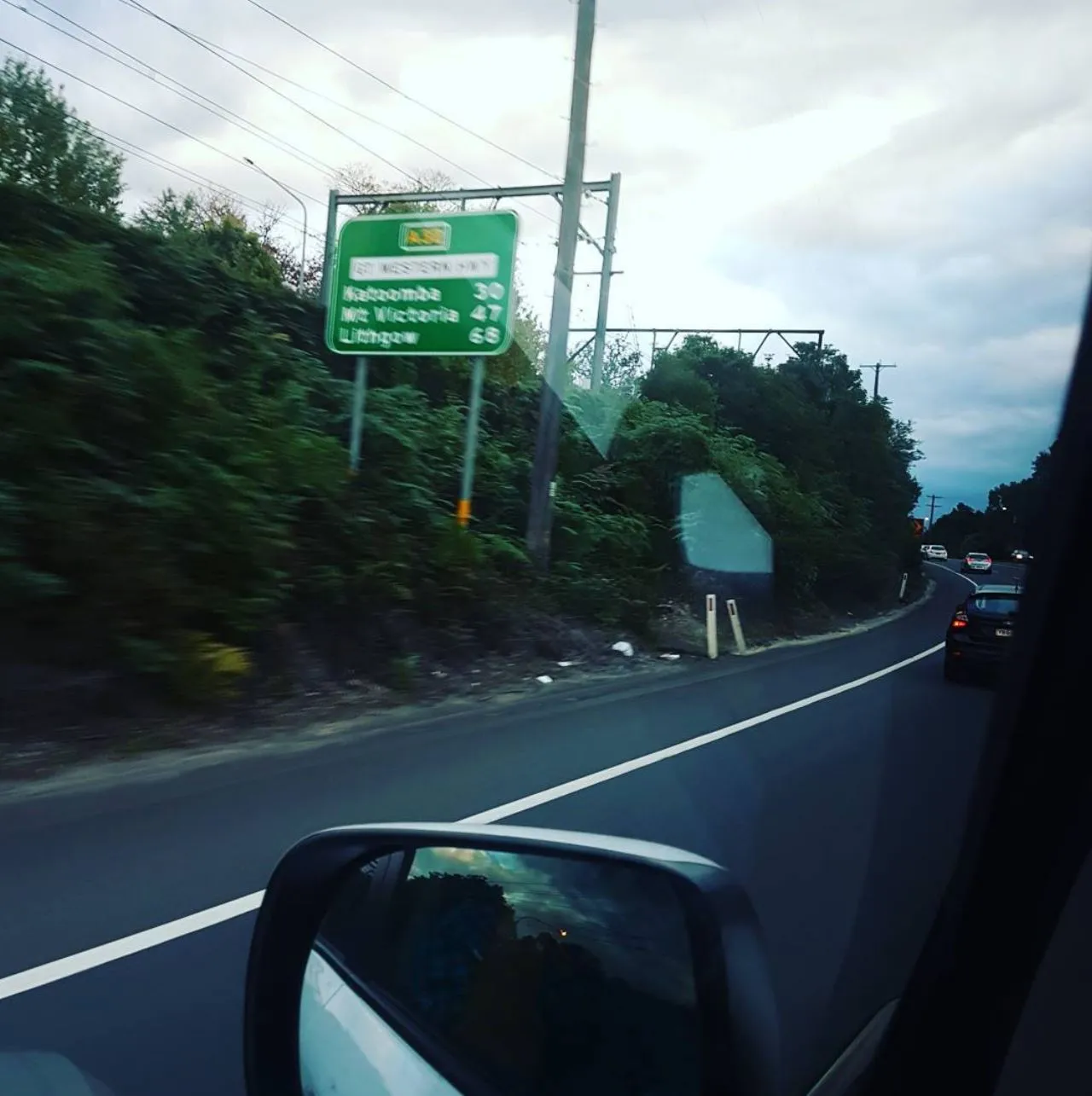
Driving in the mountains can be a bit of a wild ride, especially if you’re not used to it. So if you have a rental car, you’ll want to get to know what’s what.
Toll roads: You won’t really come across any in the mountains themselves, but getting there from Sydney will have you crossing a few – check your rental car comes with an electronic tag or whether you’ll need to pay online after you’re done.
Unsealed roads: Some of the scenic routes – like those around Megalong Valley – turn to gravel. Just drive slow, keep your hands a bit light on the wheel and try not to make any sudden stops.
Vehicle registration – don’t freak out if you hear this term, it’s just the vehicle registration document – in Australia, the rental company will sort this out for you.
Winter tyres and snow chains: Not always a necessity, but it’s always a good idea to carry them between June and August – especially if you’re heading to Oberon or Mount Werong, where the roads can get pretty icy.
On a Blue Mountains tour, all that stuff is handled for you – no need to worry about tolls or unsealed roads
Common Mistakes Travellers Make
Most accidents around these parts aren’t due to the road itself being dodgy – it’s just a case of people not being too bright. Here’s what to avoid:
- Don’t overtake where it says don’t overtake. Those mountain roads can be a bit single-lane and double-lined – if you can’t see what’s ahead, just don’t take the risk.
- Don’t ignore fuel stops. Once you’re past Katoomba, petrol stations are few and far between – fill up when you can.
- Don’t underestimate how tired you might be getting. Cornering on these winding roads can be exhausting, so stop off, stretch, and get back on the road when you’re feeling a bit more refreshed.
- And don’t ignore local advice either. If the National Parks Service says a road’s closed, they’re not kidding around.
Seasonal Challenges: Winter and Wet Weather Driving
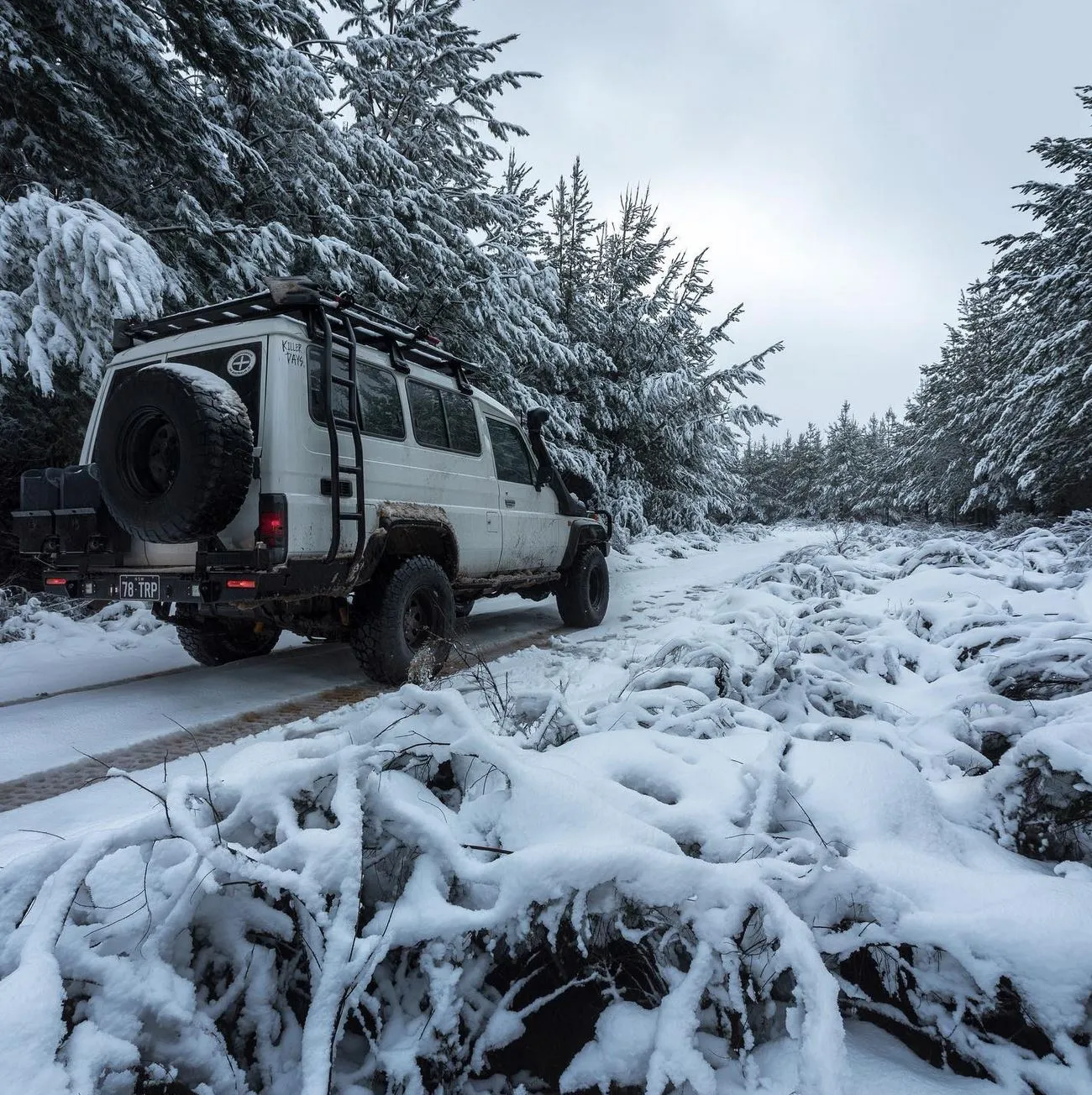
The Blue Mountains get pretty chilly – downright icy at times. And let me tell you, during winter, the higher parts of the region can see snow – particularly near Oberon and Shooters Hill. Now, not every day is going to be snow-filled, but if conditions do turn nasty, you’ll definitely need snow chains or winter tyres.
Keep an eye out for black ice—those hidden frozen patches that tend to form on shaded bends. Just slow down and ease off the accelerator, and remember to use gentle steering. And if you’re not used to driving in the snow, then for goodness’ sake, pull over until the weather improves.
The Bureau of Meteorology reckons the Blue Mountains get an average of 1,050 mm of rainfall per year, which means visibility and grip can shift in the blink of an eye – especially when those afternoon storms roll in.
If you’re not feeling confident with these conditions, then there’s a straightforward and safe way to enjoy the winter landscapes of the Blue Mountains – take a guided tour. No need to be stressed about driving in the snow.
Hidden Hazards
There’s a lot more to road safety than just watching out for slippery roads. You also need to consider cultural and social awareness. Some of the old Australian country towns used to have a bit of a reputation as sundown towns—places where people from certain backgrounds might not have felt welcome after dark. Thankfully, those days are largely behind us, but it’s good to remember that travelling with respect for local communities is just as important as wearing a seatbelt.
These days, there’s another hazard to watch out for – social media. Every year, the police get calls about drivers stopping in silly places to get a snap for Instagram – and it’s often near cliff edges or narrow lookouts. Don’t be that driver. Pull over safely, or better still, park in one of the designated areas.
Route Planning: Safer Ways to Explore
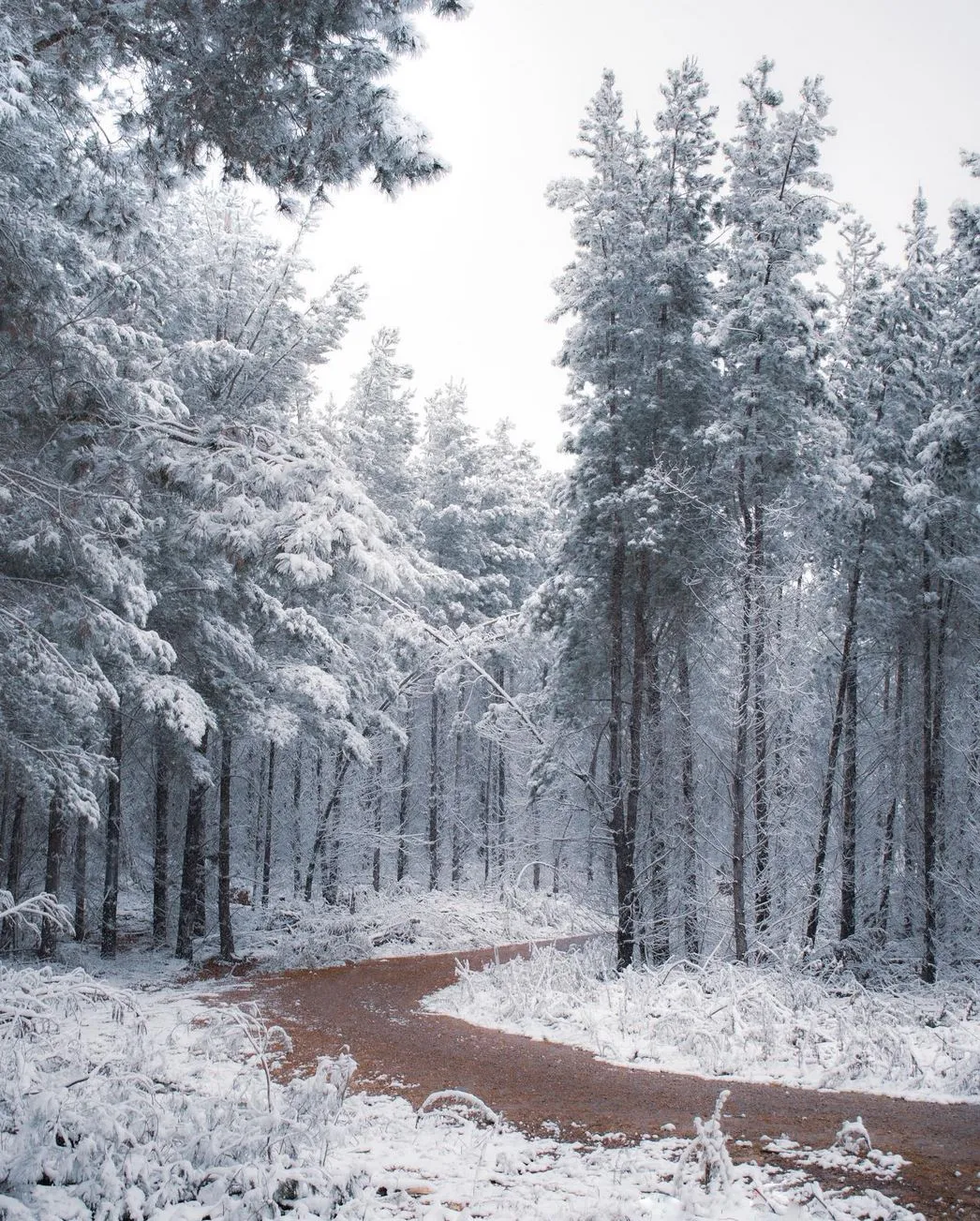
If you’re nervous, start with shorter drives before tackling longer climbs. Here are a few beginner-friendly routes:
- Katoomba to Leura (10 km round trip): Great for warming up on gentle curves.
- Wentworth Falls to Blackheath (30 km): Lookouts, cafés, and wide shoulders for photo stops.
- Lithgow to Oberon via Jenolan Caves (70 km): Beautiful drive, but expect narrow tunnels and unsealed sections.
Join a 1 Day Blue Mountains Tour first and get an overview of these routes so you can decide which ones to do later in your own car.
Or if you’d rather skip the driving stress altogether, companies like Get Lost Travel Group offer small group tours where someone else drives while you take in the views.
Local Attractions Worth the Stop
The Blue Mountains aren’t just about roads — they’re about the moments you find when you pull over. Beyond the Three Sisters, there’s Iceberg Lake (near Mount York) — a calm, reflective spot often missed by day-trippers. It’s a great place for a quiet walk and a picnic, and the nearby trails give you a sense of how old and wild this landscape is.
If you’re looking for something easy, check out:
- Echo Point: Classic view, good facilities, but busy.
- Evans Lookout: Quieter, just as good.
- Megalong Valley Road: Great unsealed road for beginners — wide, scenic and charming.
These stops are also on many Blue Mountains Tour itineraries, so you can do them without a car.
Quick Checklist Before You Hit the Road
- Licence and car rental documents ready
- Full tank of fuel before leaving major towns
- Map downloaded offline
- Spare tyre and basic tools
- Weather forecast checked
- Mobile power bank
- Snacks and water (especially if you’re going off the beaten track)
Final Chat: When to be Bold & When to be Cautious
So, let’s set the record straight – is mountain driving in the Blue Mountains an intimidating experience? Not necessarily if you’re sensible about it. Like with most good adventures, it all comes down to a mix of preparation and knowing when to give respect to the road and the scenery. Take your time, don’t try to bite off more than you can chew, and by all means treat those hairpin bends as a never-ending story – waiting to be unwrapped as you go around them.
You don’t have to be one of those gung-ho thrill-seekers to enjoy this experience. Just being aware of your own limitations is all you need. And, if, quite honestly, all you want to focus on is that breathtaking view, then nobody’s going to judge you if you join one of our 1 Day Blue Mountains Tour experiences. We’ll take care of the tight corners – and all you need to do is sit back and enjoy the ride.
FAQ
Need to know if you need Snow Chains for driving in the Blue Mountains?
As a general rule, no, but it’s worth keeping an eye on the weather forecast between June and August if you are planning on driving. If there’s a chance of snow, then yes – snow chains are a good idea. Many local rental car companies can also supply them if you need them.
Are the Blue Mountains roads treacherous for beginners?
Not as such. It’s main roads all the way – just stick to the speed limit and avoid driving at night or in the fog until you get a feel for things yourself.
Can I drive on dirt roads if I’ve rented a car?
Check your contract first, because some of the big car rental companies don’t allow it. Also, keep in mind that driving on unsealed roads can potentially void your insurance if anything happens.
Are there Speed Cameras in the Blue Mountains?
Oh yeah – particularly along the Great Western Highway and just outside Katoomba. Speed fines in the state of NSW can be pretty steep, so it’s best to leave your lead foot at home.
I’m feeling a bit nervous while driving. What can I do?
Just pull over at the next safe lookout, take a few deep breaths and start again. We all feel nervous at some point – and you’ll find your confidence grows with every kilometre you drive.
Got a story to tell about driving the Blue Mountains? Then share it with us – I’d love to hear how other travellers handle those tough mountain bends.